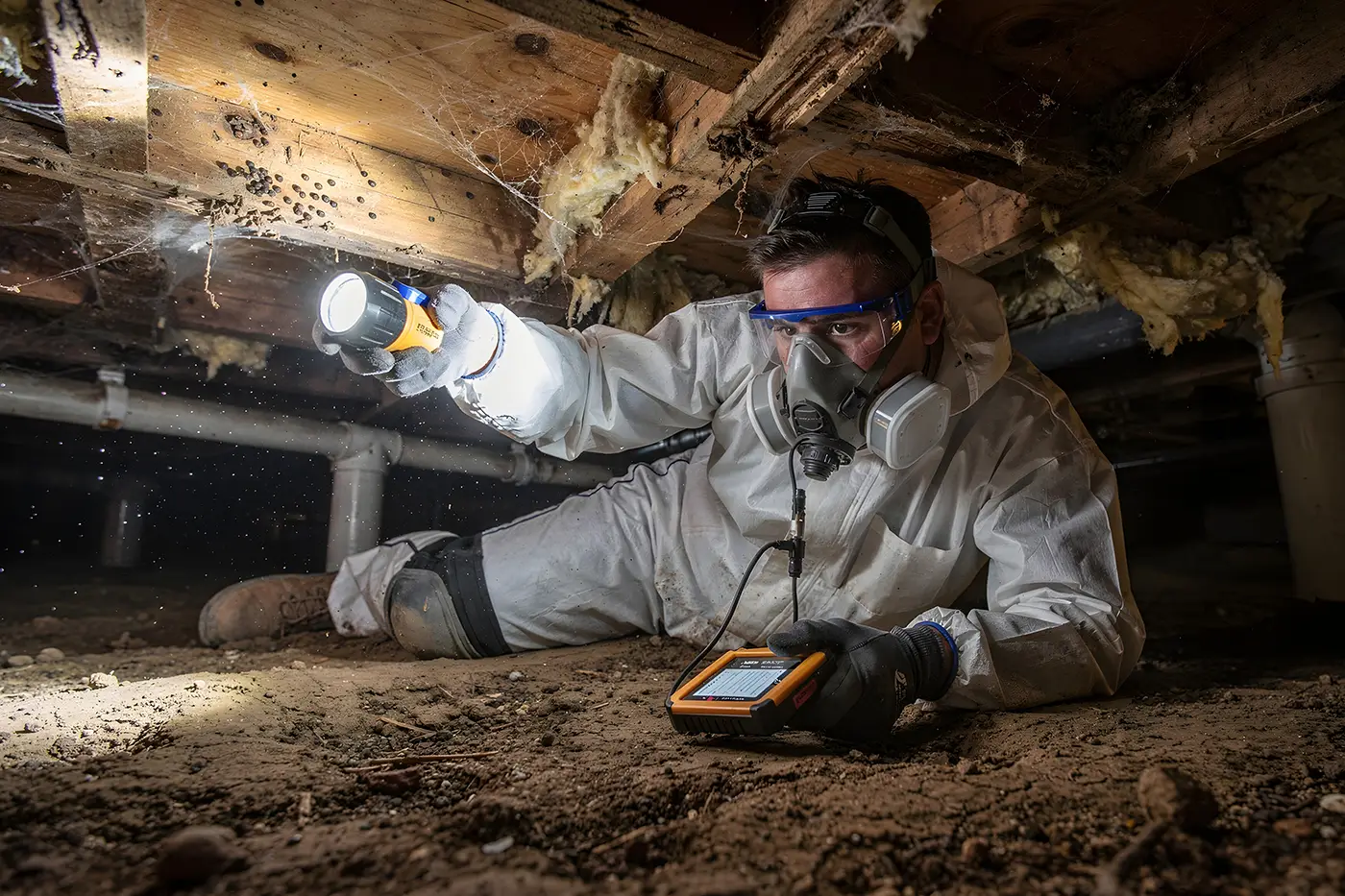
If you’re a Charlotte homeowner, it sounds simple.
Find mold in your crawl space. Remove mold. (Exhale). Problem solved.
Unfortunately, crawl space mold doesn’t work that way.
Oh, you might see improvement after crawl space mold removal, but it could only be a few months later before you experience that musty smell again, your stomach drops, and you realize the mold has returned. It’s a familiar scenario in the Carolinas.
The problem is that mold isn’t actually the problem. It’s just a symptom. Moisture is the real villain here. No matter how well you eradicate the mold, if you don’t also solve your moisture issue, the mold will keep returning like, well, mold.
Keep reading to learn a bit more about what makes mold return, what a real fix looks like, and the practical steps that stop the cycle for good.
Understanding Crawl Space Mold
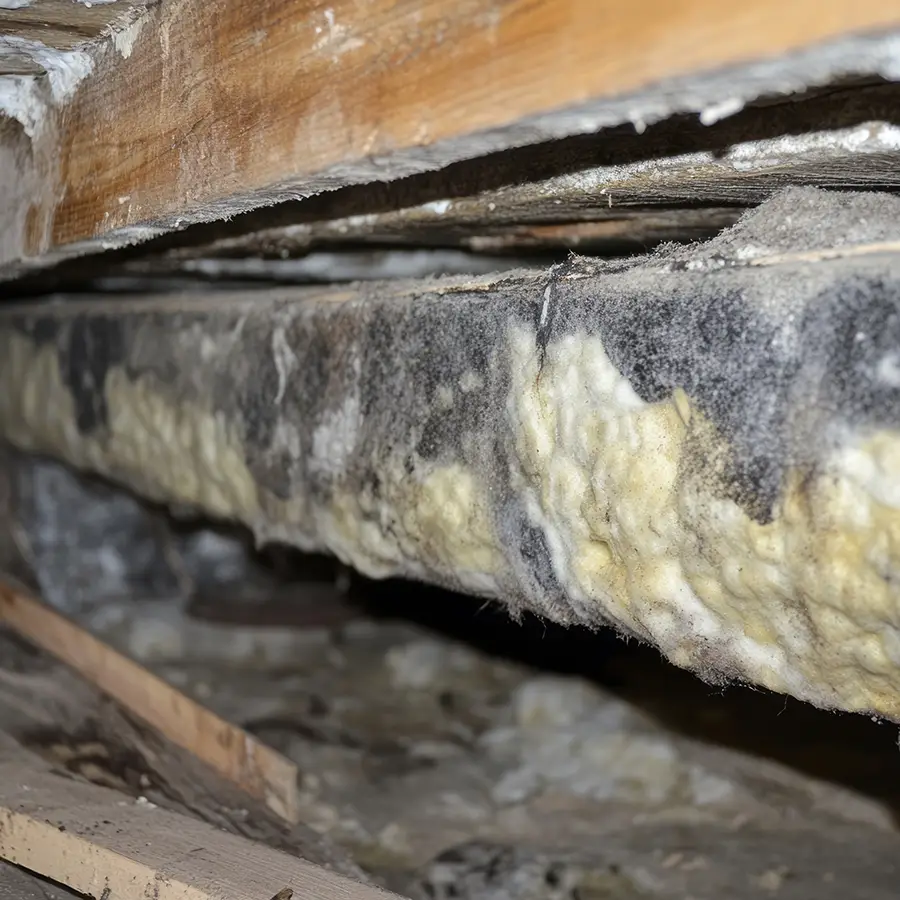
A crawl space is every mold spore’s dream. It’s dark. It’s close to the ground. And often loosely sealed. Plus, homeowners usually avoid it all costs, so there’s nobody to bother you.
In Charlotte, months of heat and humidity make it easy for crawl spaces to get damp and stay that way. When moisture lingers like this, mold spores can settle on wood, insulation, and subflooring and begin to grow.
This is why the most effective crawl space mold removal plan isn’t just about surface-level cleaning. It’s about changing the environment under your home so mold can never get too comfortable.
Common Causes of Mold Growth
Recurring mold problems usually come from one or more of these conditions:
- Dirt floors release moisture into the air, creating dampness.
- Crawl space ventilation pulling in and trapping Charlotte’s moist air.
- Downspouts too close to your home allow water to pool near the foundation.
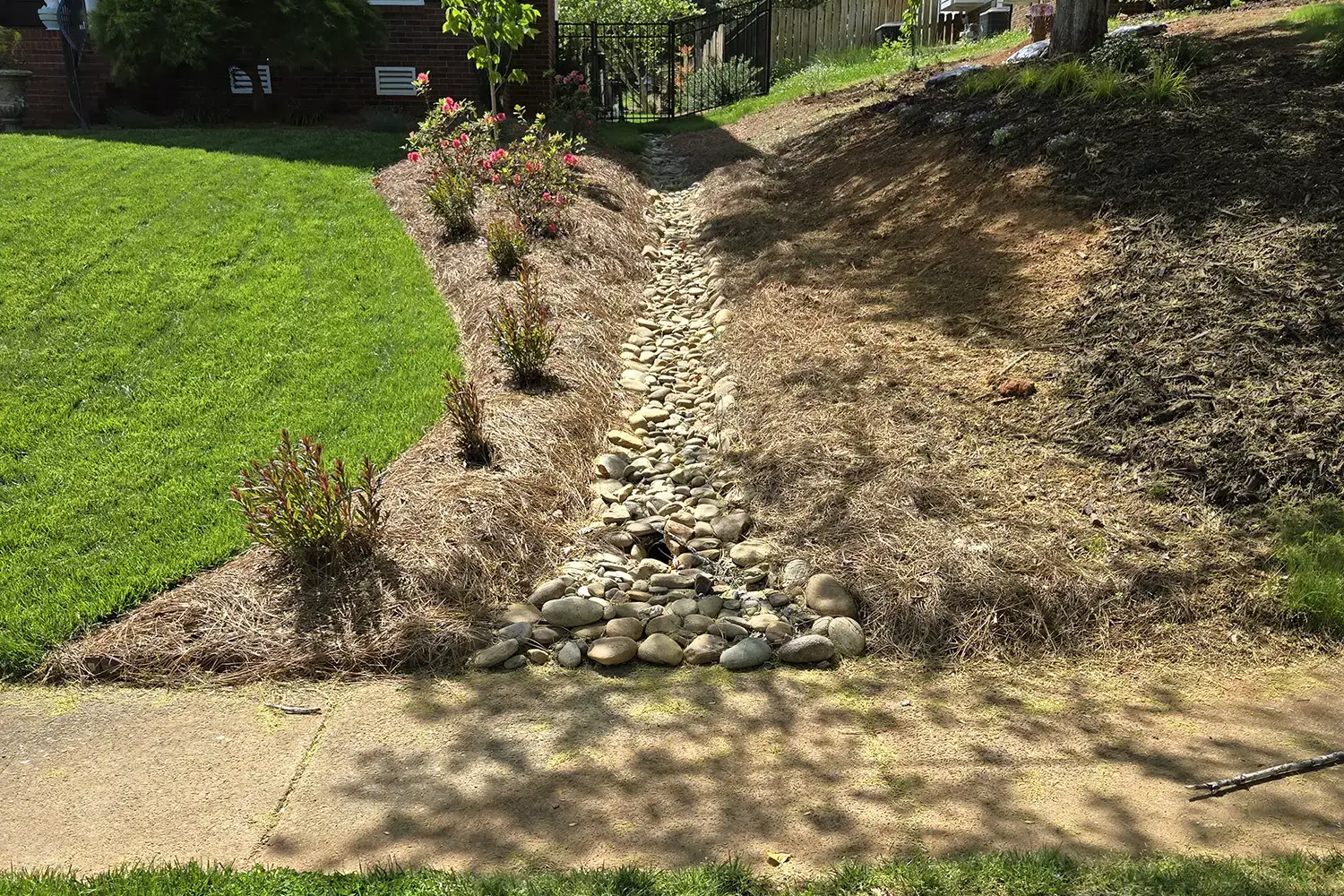
- Yard drainage or slope issues allow water to collect around your home’s foundation
- Plumbing leaks, HVAC condensation, or a slow drip that keeps one area damp.
- Duct leaks or uninsulated HVAC components sweating in summer heat.
During Charlotte’s spring and summer months, traditional crawl space ventilation can pull in moist air. When that air hits cooler framing or ductwork, it can leave condensation behind. Building science research describes this effect as a common reason why vented crawl spaces struggle in humid areas.
The Impact of Crawl Space Moisture
Moisture does a lot of bad things to your home. It can weaken the wood joists and beams underneath. It creates odors. It compromises insulation and attracts pests. And of course, it’s a prerequisite for mold. Mold that, once it’s there, can work its way up into your living spaces.
The Environmental Protection Agency emphasizes that moisture control is the key to mold control. The agency also notes that if wet or damp materials are dried within 24 to 48 hours, mold usually won’t grow. But unless you’re going to head down to your crawl space with an armful of towels every time it rains, you’re not going to be able to prevent crawl space dampness, at least not on your own.
The Life Cycle of Crawl Space Mold
Conditions Favoring Mold Development
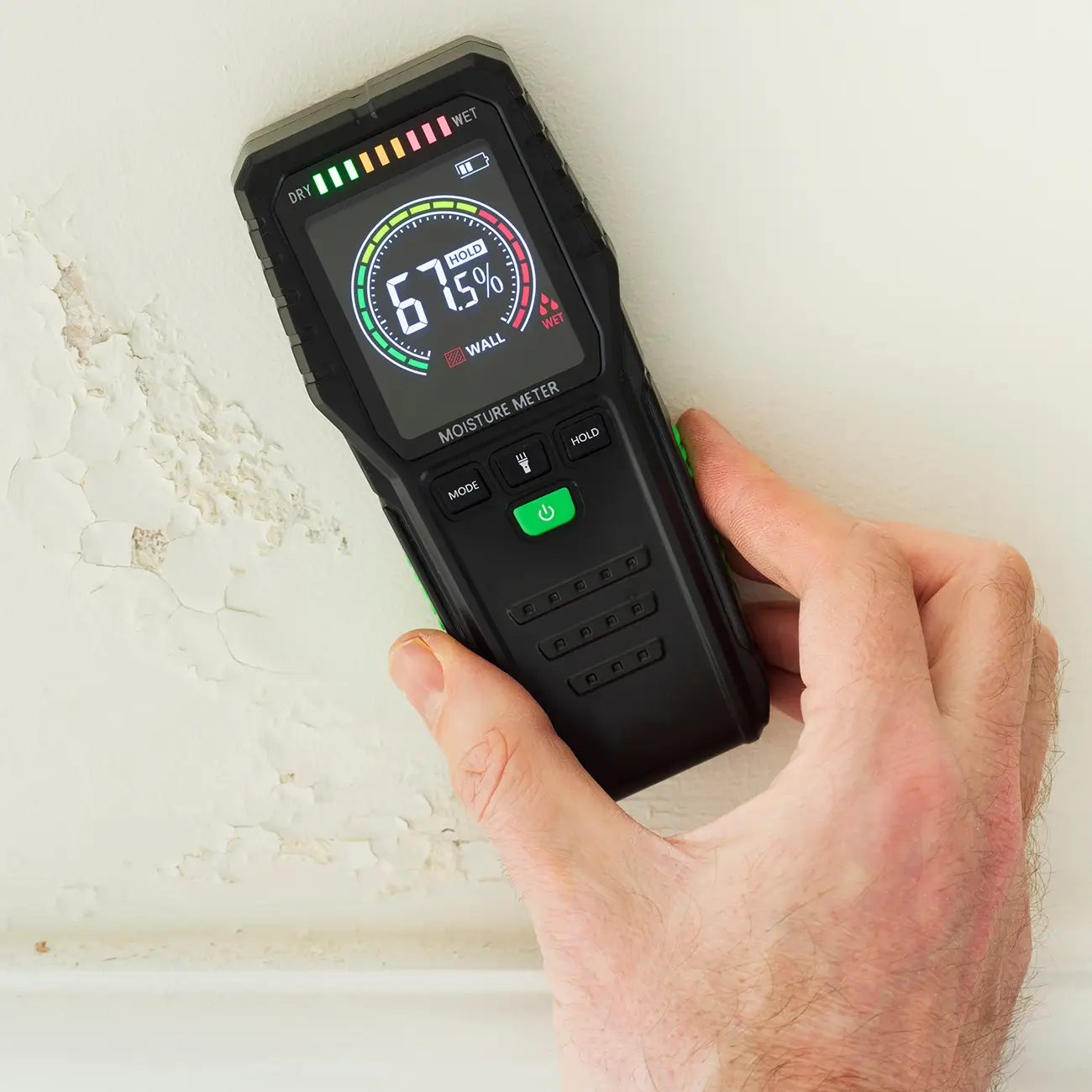
Mold loves high humidity. The EPA recommends keeping indoor relative humidity below 60 percent, and ideally between 30 percent and 50 percent. When a crawl space stays above that range, wood can absorb moisture and stay damp enough for mold to grow. And grow again.
How Mold Spreads and Flourishes
Once growth begins, mold spreads across surfaces and releases spores that settle in different places. Crawl spaces are connected to the rest of the home through gaps, ductwork, and pressure changes, so odors and spores can travel.
Why Mold Returns After a Cleanup
If you have dealt with mold before, the repeated problem usually comes down to one of these scenarios:
- The mold was treated, but the moisture source was never identified.
- A leak was fixed, but humidity remained high because the crawl space was still open to outdoor air and ground moisture.
- Only the visible areas were cleaned, while hidden surfaces stayed contaminated.
- Wet insulation stayed in place.
- The crawl space dried out for a season, then summer humidity returned and restarted growth.
In other words, mold returns when the crawl space goes back to being a damp space. That makes crawl space or basement mold removal pretty straightforward. It’s moisture control plus a comprehensive crawl space mold removal plan plus remediation for the future.
Crawl Space Mold Removal Options
Homeowners usually have a choice. Do a limited cleanup for a small moldy spot and see what happens, or hire a crawl space repair team that can remove the mold and fix the moisture conditions that caused it. For the record, crossing your fingers is not a recommended mold-removal strategy. It’s always best to call in the pros for mold inspection services.
Moisture Loc offers FREE inspections! Get started today
Professional Crawl Space Mold Removal Services
Professional crawl space mold removal MUST include identifying and eradicating the moisture source, not just treating visible staining.
If you are searching “crawl space mold removal near me,” look for professionals who talk about moisture control, drainage, sealing, and long-term prevention. Mold cleanup without those steps often turns into a repeat problem, especially in this area of the country.
A typical plan may include containment, the removal or cleaning of impacted materials, and surface treatments. The bigger value is what happens next. A worthwhile plan often includes a more comprehensive crawl space repair, sealing, and humidity control.
DIY Crawl Space Mold Removal Tips
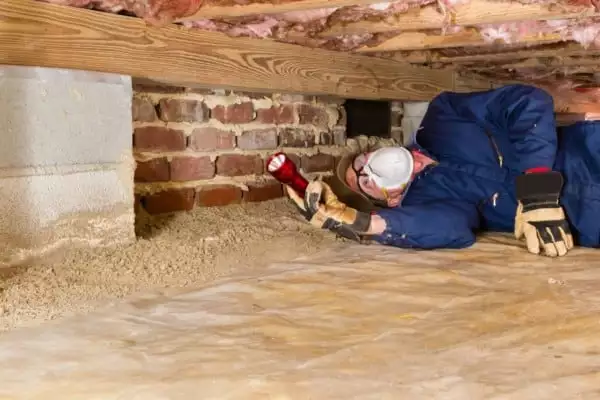
DIY mold cleanup is possible, but only if you’re dealing with a small, surface-level spot, and you can confirm there’s no ongoing moisture source. If the crawl space is wet, if you suspect mold is hidden away, or especially if you start feeling sick in your crawl or basement, call a professional.
It probably goes without saying, but always wear gloves, eye protection, and, if possible, a mask. You don’t want to be inhaling much of anything when mold is nearby. Keep the focus on moisture first, because mold in crawl space removal without moisture control is usually temporary.
Crawl Space Mold Removal Cost
Crawl space mold removal cost can vary widely. The biggest factors are how far the mold has spread, whether materials like insulation need to be removed, and how much moisture mitigation is needed. A thorough inspection from a crawl space mold removal company is the best way to get a handle on what’s required.
Effective Crawl Space Solutions
You’re not going to find one on a late-night infomercial. If mold keeps returning, more spraying isn’t going to do much. You need something much more comprehensive than that.
Crawl Space Encapsulation
Want to get rid of mold for good? Crawl space encapsulation is the way to do it.
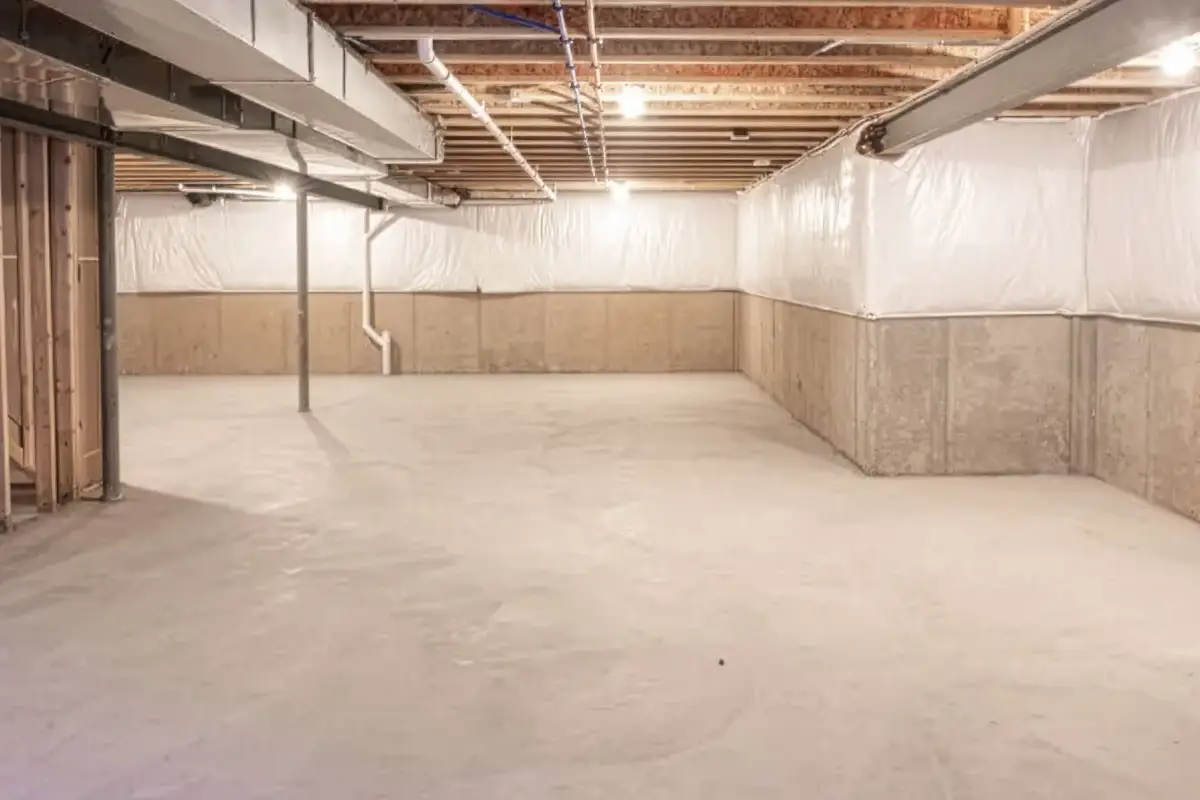
Encapsulation separates your crawl space from rain, humidity, ground moisture, and basically anything else that can do your home harm. Essentially, it turns your crawl space into a real room.
Encapsulation typically includes a sealed vapor barrier on the floor and walls, sealed seams and vents, and a dehumidifier for humidity regulation. It’s not a late-night spray, and that’s a great thing, because encapsulation actually works.
Crawl Space Ventilation Techniques
Crawl space ventilation sounds like it would be a great thing, but it’s not. Allowing hot and humid air free passage into your crawl space or basement is a precursor to trouble. Because the heavy, wet air doesn’t find its way out. Instead, it hangs out and makes everything damp. Just more reason why crawl space encapsulation or even crawl space repair are such popular services in Charlotte. But not every home is encapsulated, which is why “basement mold removal” is also a popular online search.
Crawl Space Repair Strategies
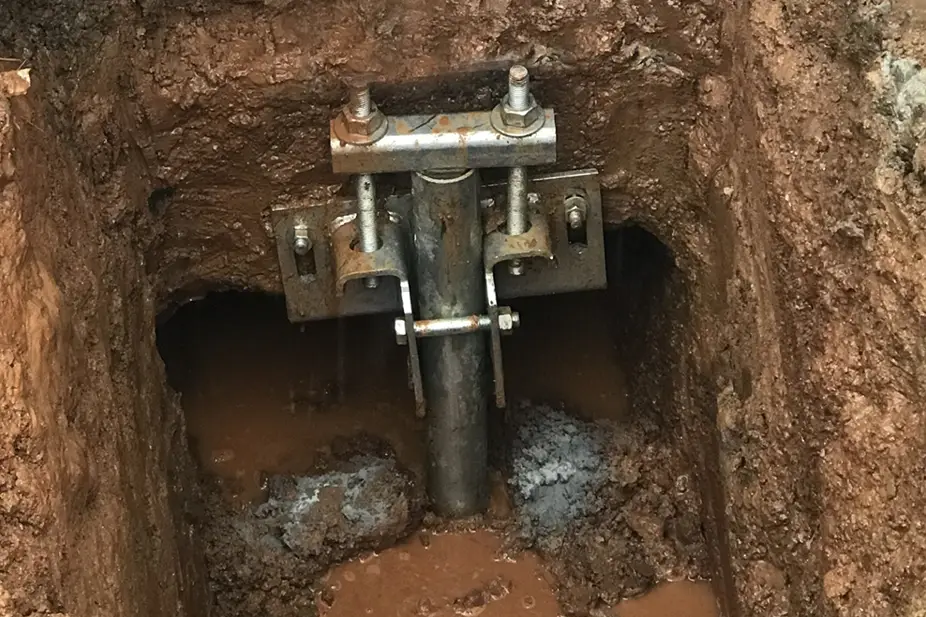
Sometimes mold returns because the crawl space has structural issues. In those cases, crawl space repair is definitely part of the mold solution.
Common fixes include improving drainage, so water moves away from the foundation, moving downspouts further away, replacing fallen insulation, sealing air leaks at the rim joist, and correcting yard drainage issues. In many instances, more substantial structural foundation repair is required. When you’re looking for a crawl space mold removal company, it definitely helps if they also do structural and foundational repair.
Prevention Measures
Crawl Space Mold Prevention Techniques
If you want a simple way to think about prevention, use this checklist. Every item reduces moisture. Less moisture means less mold risk.
- Keep gutters and downspouts working, and direct water away from the foundation.
- Make sure the soil slopes away from your home, so rainwater doesn’t have a chance to collect near the crawl space.
- Fix leaks quickly, even small ones.
- Seal obvious air leaks that allow humid air to flow underneath your house.
- Consider crawl space encapsulation if humidity is a chronic issue.
Ongoing Mold Inspection Services
If your home has a history of mold, periodic mold inspection services can help you stay ahead of it. It may seem like overkill to have a once or twice-a-year inspection, but when you consider the alternative, mold inspection services make sense.
A Quick Note on Health and Indoor Air
Research has linked dampness and mold in homes with respiratory and allergy-related symptoms. This doesn’t mean mold definitively makes you sick, but it very likely makes whatever conditions you might have worse. So, it pays to keep your crawl space dry. As with everything, if you have health concerns, talk to a medical professional.
What If the Problem Is Not Only the Crawl Space?
Some homes have both a crawl space and below-grade areas that trap moisture. If you notice musty odors on a lower level, you may also need basement mold removal. The root strategy is the same. Stop water from entering, control humidity, and repair materials damaged by moisture. To get that done, you’ll likely need a company that does residential mold remediation.
Conclusion
If mold keeps returning to your crawl space or basement, it’s because the environment hasn’t changed. The moisture is likely still present, which means the mold won’t be far behind.
The most reliable long-term solution combines professional crawl space mold removal services with moisture control. That may include crawl space repair and, for many Charlotte homes, crawl space encapsulation.
Consult a Crawl Space Mold Removal Company
Start with mold inspection services. At Moisture Loc, we’ve been looking under homes in the Carolinas since 1988. If something’s not right under there, whether it’s mold or otherwise, we can explain your options and recommend the right mix of professional crawl space mold removal and moisture control.
If you are looking for “crawl space mold removal Charlotte NC,” we’ve got your back and your underneath covered. Our team can help you understand what is driving the problem and what it takes to fix it permanently. We’ll do your crawl space or basement mold removal and keep the mold from coming back.
FAQs: Crawl Space Mold Removal
- Why does mold come back after crawl space mold removal?
- Because moisture is still present. If humidity stays high or water still enters, mold can reappear.
- How do I know if I need mold inspection services?
- Musty odors, visible staining, damp insulation, or a history of moisture are all good reasons to schedule an inspection.
- Is professional crawl space mold removal worth it?
- Often, yes, especially when the area is large, the crawl space is wet, or the mold keeps returning.
- What factors change crawl space mold removal cost?
- The size of the area, how accessible it is, whether materials must be removed, and whether drainage, sealing, or structural repair is needed.
- Can crawl space ventilation fix mold?
- Sometimes, but in humid weather, it can add moisture. Most homes do far better with a long-term solution like crawl space encapsulation.
- Is crawl space encapsulation the same as residential mold remediation?
- No. Residential mold remediation removes mold. Encapsulation is a specific process that controls moisture, so mold is less likely to return.
- What is the difference between mold in crawl space removal and basement mold removal?
- Both address mold, but crawl spaces are heavily influenced by ground moisture and outdoor air. Basements often deal with seepage and condensation. Conducting mold inspection services will tell you what you’re dealing with.
- How do I choose a crawl space mold removal company?
- Choose a provider that identifies moisture sources, explains the plan, and can handle prevention work like crawl space repair, sealing, and foundation repair as well.