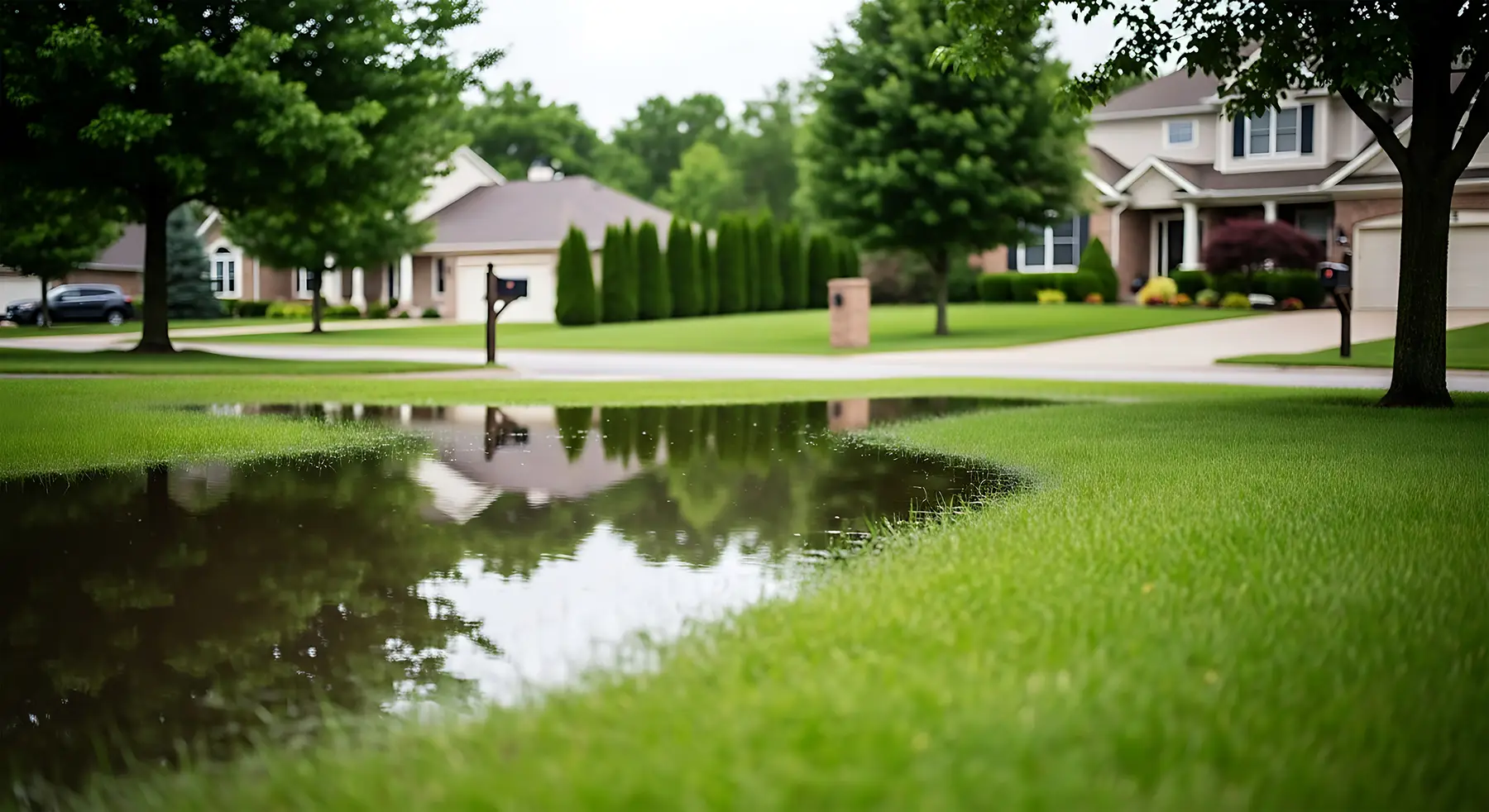
Every Charlotte summer brings the same question to everyone’s yard: to puddle or not to puddle? If yours is a puddling yard, it’s worth knowing why before you decide what to do about it.
This post covers what causes many Charlotte yards to flood in the summer, how to tell the difference between just getting a whole lot of rain versus having a real drainage problem, and how to know when it’s time to stop waiting for the puddles to disappear and call in professionals to make sure they don’t form in the first place.
What's in this post
Why Charlotte Yards Flood in Summer
Summers in Charlotte are hot, humid, and rainy. If you look at your phone, at any given time you may see storm clouds and a lightning bolt for 10 days straight in the forecast. Or high 90s without any rain whatsoever. In Charlotte, you never know what you’re going to get.
When it does rain, it usually rains a lot, and fast. That’s why summertime is when Charlotte yards show their drainage problems most clearly. A late-afternoon storm can drop an inch or more in twenty minutes. This is on top of ground that’s already saturated from the storm that blew through 2 days ago.
Since it’s summertime, you’re outside more often, using the yard, grilling out, so you notice every soggy patch and every puddle that overstays its welcome. But the storms aren’t the problem. They’re just the gasoline. If you’ve got a consistently soggy yard, with puddles in the same places, the real fire is already burning elsewhere.
Four things usually cause a yard to flood. Most Charlotte properties have several of these working against them.
Poor Grading
The slope of your yard decides where water goes when it rains. Incorrect yard grading directs rainwater toward your house instead of away from it, so storm runoff heads for your foundation and pools wherever the grade is flattest. Newer construction is especially vulnerable to this. Builders scrape and regrade lots to fit the house pad, and once the sod goes in, homeowners rarely notice that a section of yard slopes the wrong way until the first few heavy storms make it abundantly clear.
Want to check your grading? When the next heavy rain hits, keep an eye on water moving toward your house instead of toward the street or a natural low spot somewhere else on your property.
Faulty Gutters and Downspouts
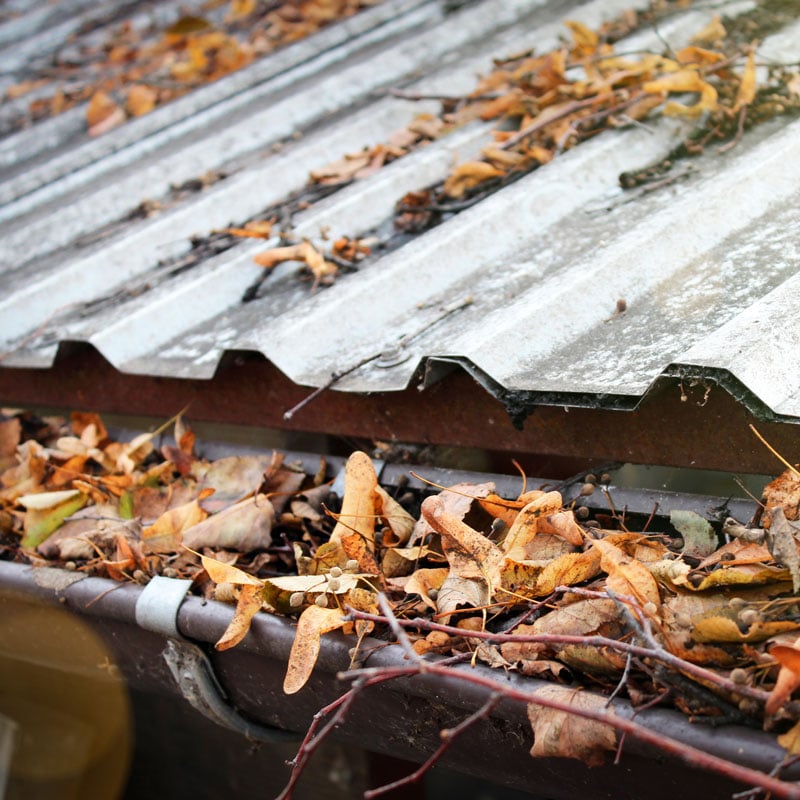
If you don’t have gutters along your roofline, or if you have gutters but don’t keep them free of leaves and debris, water will collect around your foundation. Downspouts that are too short or funnel water in the wrong direction do the same thing. A single downspout during a heavy Charlotte storm can move a tremendous amount of water in an hour. If it dumps that water three feet from the house, it might dump it straight into your crawl space because that’s where it’s going to wind up. Signs to watch for include erosion trenches near downspout exits, mulch that keeps washing out of the beds along your foundation, or wet crawl spaces and basements after storms.
Charlotte’s Clay Soil
Red clay is dense and retains moisture. That means water doesn’t drain through it as quickly as it does through other soil. And that’s also why the same puddles form in the same spots after every storm and linger until well after the sun comes out. Clay is what makes drainage in Charlotte a different problem than drainage in most of the country. We’ve got it and most other places don’t. Aerating the lawn or amending the topsoil rarely goes far enough here because the water still has nowhere to go once it reaches the clay layer underneath. Good to know, but impossible to change.
Compacted Soil from Construction or Heavy Use
Heavy equipment, foot traffic, or even years of mowing along the same pathways can compress soil until water can’t penetrate it. A thick lawn, especially if it’s planted in hard-packed or clay soil, can repel water faster than it’s absorbed, so rain runs across the surface instead of soaking in. New construction sites are the most common culprit around Charlotte, but any spot in the yard that gets consistent traffic can develop the same problem. Signs include grass that’s thinner or greener in a specific area, water pooling where cars park or trailers get pulled through, or a persistent bare strip worn into the lawn.
How to Tell a Real Drainage Problem From Just Heavy Rain
As a homeowner, it’s hard to tell the difference between ‘a lot of rain’ and a real drainage issue. Walking the grounds after a downpour is not high on most homeowners’ to-do lists. But there may come a time when you might want to, especially if you’ve seen puddles and walked across squishy patches for a long time. The longer those occur, the harder the damage they cause is to repair. Here’s what to look for on your next post-rain jaunt around your yard.
Warning Signs Your Soggy Yard is a Real Drainage Problem
- Puddles that appear in the same spots and last well after the rest of the yard has seemingly dried out
- Bare or thin grass in the same patches, or spots that get muddy even when it doesn’t rain that hard
- Spots that stay spongy or squishy when the rest of the yard is dry
- Standing water within 10 feet of your foundation, crawl space vents, or basement walls
- Erosion channels where mulch, gravel, or soil keep gathering in the same spot/s
- Downspouts that dump water in close proximity to your foundation instead of moving it away
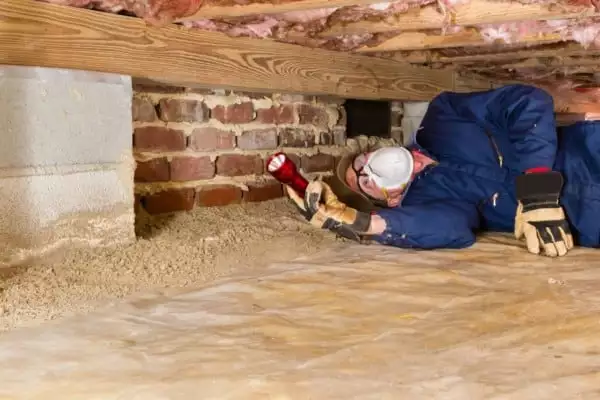
- A wet crawl space, damp basement, or musty smell in the house after storms (these are code red signals of a moisture issue)
If you are seeing one or more of these signs, you very likely have a yard drainage problem.
Why a Drainage Problem is Worth Taking Seriously
Poor drainage that results in swampy areas and constantly wet soil can ruin your garden, cause root rot, and overwater plants. A boggy lawn can make it difficult for kids and pets to play outside. The grass will never establish itself well, leading to bare spots that turn into mud patches whenever it rains.
Even worse, inadequate yard drainage can damage your home’s structure. Water that collects around the foundation can cause soil to shift and cracks to form, making the entire house more unstable over time. In Charlotte, moisture can pretty easily work its way into the crawl space or basement, promoting mold growth, pest infestations, and musty smells upstairs.
Whether you plan to stay in your home for many years or list it for sale soon, you want to remedy drainage issues before they become foundation issues because those are two very different levels of stress and expense.
When to Wait vs. When to Worry
After a heavy Charlotte thunderstorm, some pooling is normal. If the water clears within a day and the ground firms up in two or three, your yard is working as it should. If puddles are still hanging around 24 hours or more after the rain stops, or the same soggy spots show up every decent rain, that’s a pattern worth exploring before it gets worse.
Water near your foundation is a different ballgame. If you see standing water within a few feet of your house, or the crawl space consistently feels damp after storms, don’t wait. Those kinds of moisture problems don’t work themselves out and only get more expensive to solve the longer they sit unresolved.
When it’s Time to Call in the Professionals
If your yard has one or two warning signs and you’re comfortable with a shovel, some of the fixes are DIY territory. Cleaning out a gutter, extending a downspout, or tending to a compacted patch of lawn are all things a motivated homeowner can handle. For a full breakdown of what those options look like and which fix works for which problem, our post on common yard drainage solutions walks through each one.
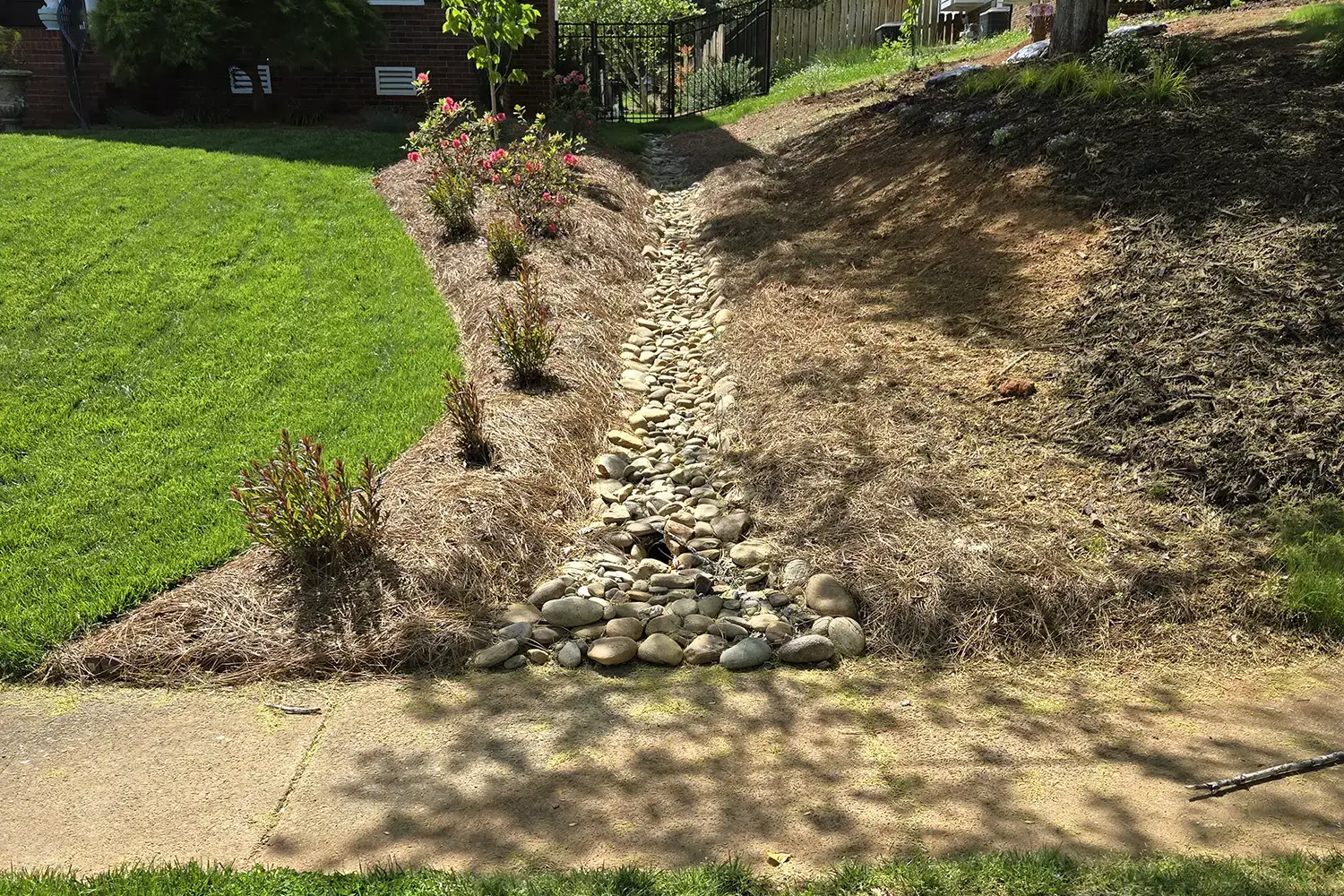
The bigger jobs are a different story. Regrading around a foundation, installing a French drain, dropping a catch basin into a driveway apron, or building a dry well takes equipment, know-how, and a plan for where all that water is going to end up. Doing it incorrectly doesn’t just waste money. It can make the drainage problem worse or push water toward the house instead of away from it.
That’s when it’s time to call in the professionals. Moisture Loc has been solving yard drainage problems for Charlotte homeowners for nearly 40 years. Every property gets a free yard drainage inspection so the solution matches the actual problem. If you’re not sure where to start or finish with your yard, a free inspection is a good idea.
Yard Drainage FAQs
How can I tell if my soggy yard is a real drainage problem or just slow to dry?
A yard that stays wet for 24 hours after a hard rain and then dries out is probably just slow to shed water, which is normal for Charlotte clay soil. A yard that stays soggy for two or three days, has patches that never fully dry, or shows the same puddles in the same spots after every storm likely has a real drainage problem. Watch for two full drying cycles between storms to see the pattern clearly.
How long should puddles in my yard last after heavy rain?
For most Charlotte yards, small puddles should clear within 12 to 24 hours after the rain stops. If the storm was heavy or your soil is dense clay, which most are around here, a little longer than that is still within the normal range. Puddles that sit for 48 hours or more, or ones that return in the same spots every time it rains, mean water isn’t draining out of that area. That’s a sign the yard has a slope, soil, or gutter issue worth checking.
Is a soggy lawn always a drainage problem, or can it be normal for Charlotte?
We get a lot of bursts of heavy rain in Charlotte, especially in the summertime. So, some sogginess is normal. Between our clay soil and how much rain the region gets, most Carolina yards will hold moisture longer than yards in drier or sandier climates. The line between normal and problem sogginess is whether the ground firms up between storms. A lawn that recovers within a day or two of dry weather is doing what it should. One that never fully dries or has permanent squishy patches has a drainage problem.
Can new construction cause my yard to flood?
Yes, and it’s one of the most common sources of yard flooding in the newer Charlotte suburbs. Heavy equipment during the build compacts the soil until water can’t soak in. Builders regrade lots to fit the house pad, and the resulting slope sometimes sends water toward the foundation instead of away from it. Sod goes down over both problems, hiding them until the first few heavy storms. If your yard is newer than a few years and floods, construction is likely at least part of the cause.
Why does my yard flood in summer but seem fine other times of year?
Summer thunderstorms in Charlotte drop more water in less time than the slower, gentler rain patterns of spring or fall. Clay soil that could keep up with a slow soak gets overwhelmed when an inch of rain arrives in twenty minutes. Add in ground that’s often already saturated from the previous day’s storm, and puddles form in places you rarely see them the rest of the year. The problem exists year-round. Summer just makes it visible.
What warning signs mean I shouldn’t wait to address puddles or soggy spots?
Water within 10 feet of your foundation, a damp crawl space or basement after storms, mud tracks running from downspouts toward the house, or standing water that appears after every rain regardless of intensity. Those are all signs to address the problem soon. Waiting turns a yard problem into a foundation problem, and those are more serious and expensive. Recurring wet spots also kill grass and attract mosquitoes, but the structural risk is the reason not to wait once you suspect an issue.