When wood and water mix over an extended period, water wins. That’s the basis of almost every structural problem we see under homes in Charlotte, where the humidity is high, and the clay soil holds water like a sponge. These conditions leave the wood in our crawl spaces and under our floors in harm’s way for the better part of every year.
The moisture damage builds slowly and quietly, which is why so many homeowners don’t catch it until they feel a sag under their slippers on the way to the coffeemaker, a door doesn’t quite shut the way it used to, or the uneven floor in the living room gets more and more noticeable.
This guide to home structural repair across Charlotte and the Carolinas walks through what you should consider as a home structural problem, what causes them, how to choose a structural repair contractor, what a fair inspection and quote look like, and which companies you shouldn’t let anywhere near under your home.
All this information is valuable in helping you hire the right professionals to diagnose and fix your home structural repair problem correctly. This guide gets you there.
Table of Contents
What Counts as a Structural Problem?
A structural problem is anything undermining the parts of your home that carry weight. These parts might include floor joists, beams, girders, band sills, and load-bearing walls. For this guide, when we say “structural,” we are referring to wood-based support. Foundation repair is its own category that covers the concrete and brick that your house sits on.
Common Signs of a Structural Problem in Your Home
Here’s what homeowners usually notice when a structural problem exists:
- Floors that sag, slope, or bounce
- Interior doors and windows that stick or won’t close properly
- Cracks in interior walls, especially at the corners of door frames
- Spaces between the floor and the baseboard
Keep in mind that old Charlotte houses settle, and wood moves with the seasons. The things to keep an eye on are whether a symptom gets worse, and whether more than one shows up. Two or three from the list above usually mean something is wrong and failing structurally.
Sagging or uneven floors in a house are one of the most common signs that you might need home structural repair. To learn more about sagging floors, read why your floors are sagging and when it’s dangerous.
What’s Failing Under Your Home?
When it comes to your home’s skeleton, moisture is a formidable opponent, especially in Charlotte. Damp wood eventually becomes rotten wood, and rotten wood can’t carry the load it was meant for. Four structural components take the brunt of moisture abuse.
Floor joists: Addressing rotting floor joists is some of the most common home structural repair work we do.
Beams and girders. Beams carry the joists. Because one beam supports many joists, a damaged beam should be repaired quickly.
Band sills and rim joists. The band sill runs around the outer edge of the floor frame where it meets the foundation wall. It sits low, near the ground and the vents, so it gets wet first and often rots before anything else. Band sill replacement is common in older Charlotte homes, and it gets missed by contractors who only check the middle of the crawl space.
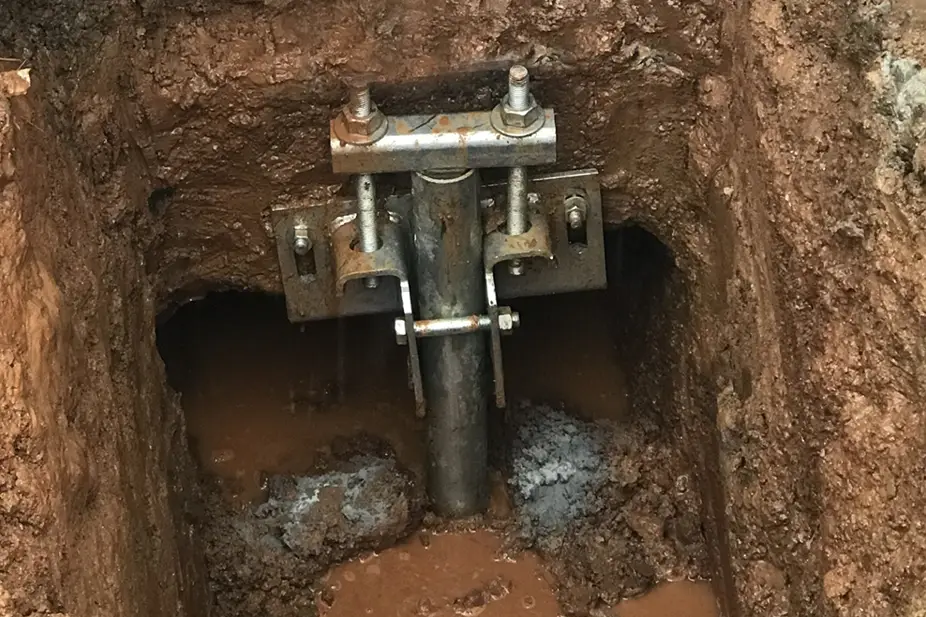
Support columns and piers. These carry the beams to the ground. Wood columns rot from the bottom up in damp soil, and masonry piers shift when the clay beneath them swells and then dries.
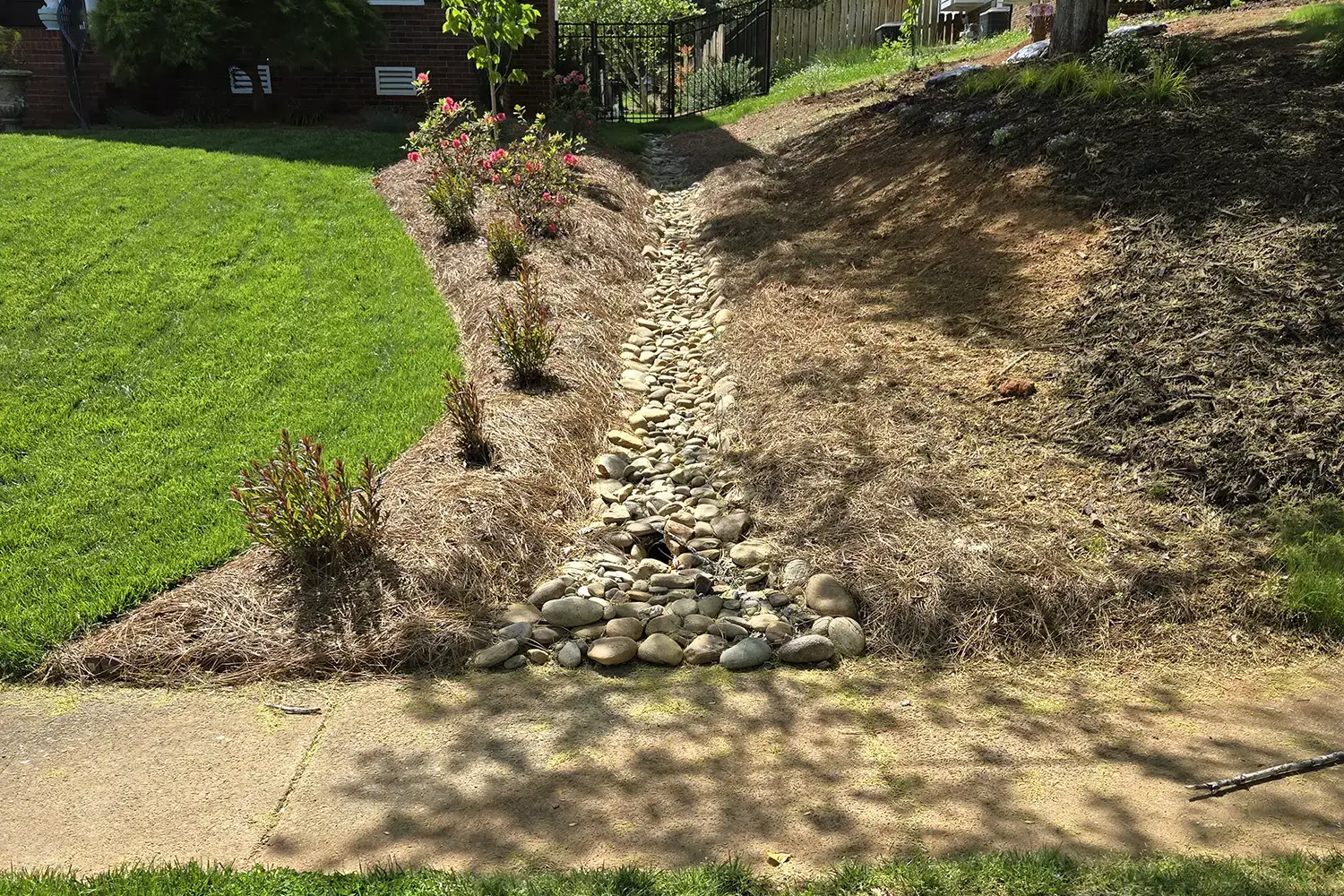
A vented crawl space in a humid climate like Charlotte’s stays wet for much of the year, so wood rot is very common. Any wood rot repair that doesn’t also address the moisture creating it is temporary, because the new lumber will be susceptible to the same issue. Getting the water under control usually means some mix of crawl space encapsulation and drainage.
Cracks: Are They Structural, or Foundational?
It’s difficult to identify the source of a crack. When the wood framing under your floors settles, the walls resting on it move a little. Cracks appear. That movement traces back to the structure.
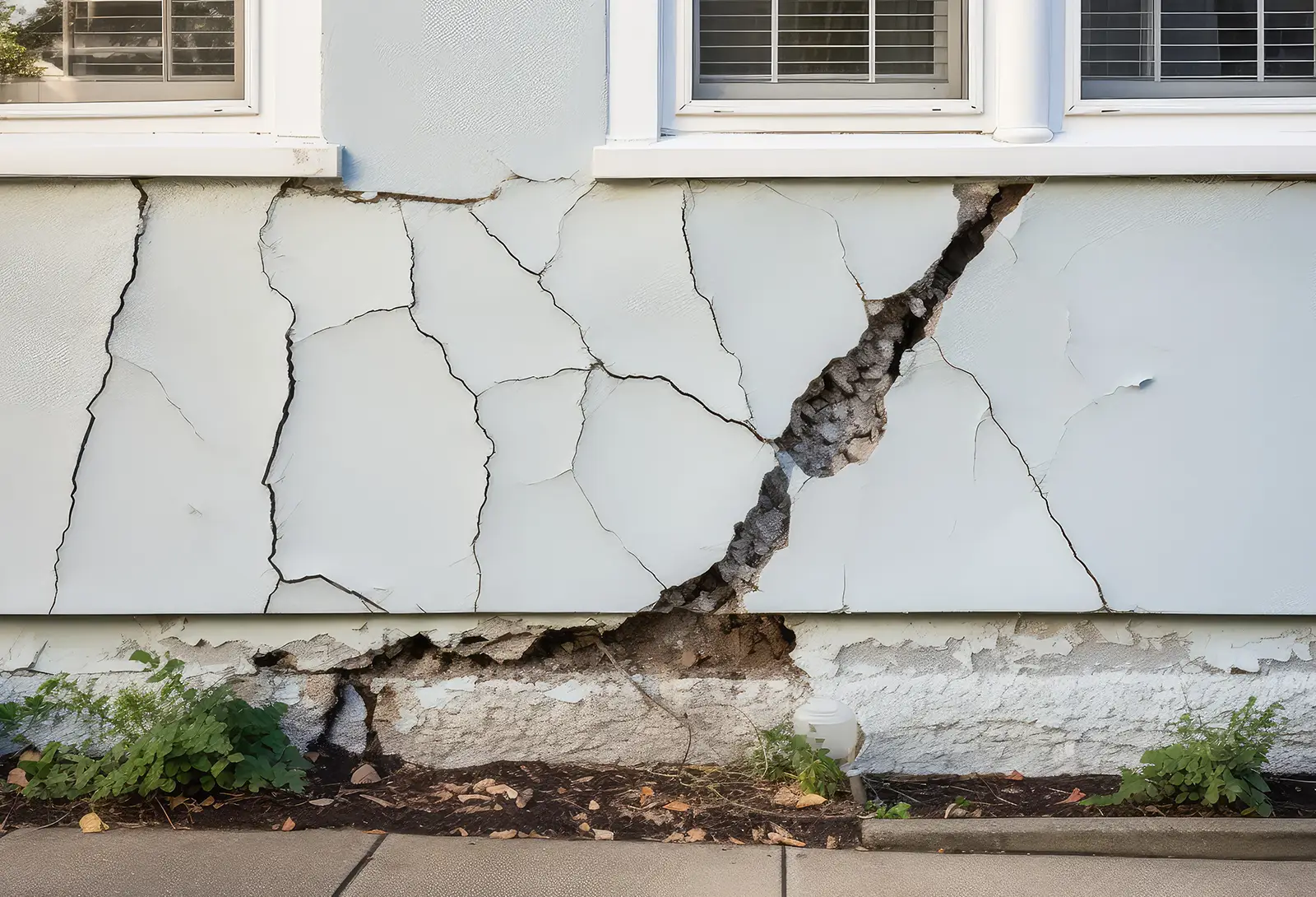
Cracks in your home’s foundation are a different issue. Staircase cracks in block or brick, horizontal cracks in a foundation wall, or wide vertical cracks that keep opening point to a foundation problem rather than a problem with the framing above it. If that’s what you’re seeing, visit our page on foundation repair. If you can’t tell where a crack is coming from, an inspection sorts it out quickly and lets you know what you’re dealing with.
Which Contractor Do You Actually Need?
Multiple companies will come look at your sagging floor, but they’re not all equally adept at fixing the issue. Check websites, Google Reviews, etc., to see who really specializes in what.
General Contractor: Manages projects and subs out specialties. They do structural work in the course of a remodel, but probably less when there’s an actual structural issue like a sagging floor. Throw in the moisture side of the equation and a GC is probably not the person to start with for this issue.
Foundation Repair: Focuses on the non-wood materials your house sits on, which is primarily concrete. The foundation repair vs. structural repair distinction matters here: if your problem is wood rot or you have uneven floors in house, you need home structural repair and not foundational.
A Structural Repair Contractor: Works in crawl spaces and understands the wood supporting your floors and the water that damages it. For moisture-driven damage, which is most of what we see in the Carolinas, this is the fit. When you find the best structural repair contractors, you’ll see companies that can fix the uneven floors in the house, the rotting floor joists underneath, and the moisture problem causing it all to happen.
One question sorts most of this out. Ask whether the company handles both the home structural repair and the moisture control, or only one. For obvious reasons, it’s far easier for you to find one company that provides both services.
How a Good Contractor Inspects Before Quoting
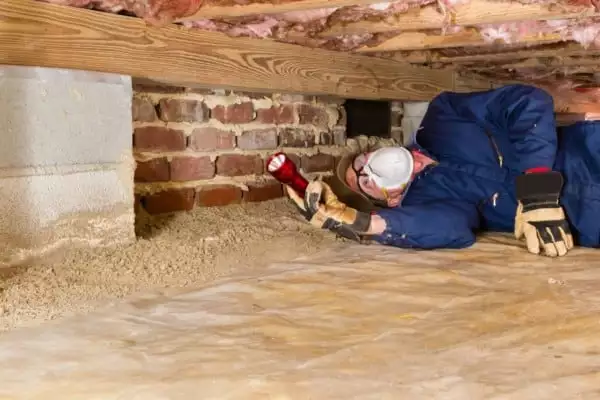
The thoroughness of an inspection tells you a lot about a company. A proper inspection should include:
- Plenty of time in the crawl space
- Putting hands on the wood
- Identifying the water source
- Photos, a written report, and a plan
When you speak with your inspector after the fact, are you seeing photo evidence of the problem and a written report with detailed information? Are you discussing a plan for the wood rot repair, rotting floor joists, band sill replacement AND the moisture issue? When you ask, “How long will the fix last?” is the answer “permanently.” Because that’s the only answer you should accept (along with a healthy warranty in writing).
Do You Need a Structural Engineer?
A structural engineer evaluates the structure and specifies what the home structural repair requires. They don’t sell repairs on their own. A structural repair contractor worth its salt should have access to a structural engineer so you don’t have to find one yourself.
Questions to Ask Before You Hire
These are the questions to ask before hiring a structural repair contractor; they’ll help you weed out the pretenders from the best structural repair contractors.
- “What is causing this damage, and how do you know?” You want an answer tied to what they found under your house, not a general statement about moisture.
- “Are you licensed and insured, and can I see the certificates?” Ask for the documentation. An uninsured injury in your crawl space can become your problem.
- “Will you pull a permit?” Home structural repair usually requires a permit around the Charlotte area. Skipping it leaves you with unpermitted work to explain when you sell your house.
- “Does the quote include fixing the moisture source?” If the answer is no, ask how the new wood is going to be protected (hint: it’s not).
- “Who does the work, your crew or a subcontractor?” Either can be fine, but you should know who is under your house and who is putting their name on the work.
- “What does the warranty cover, and is it in writing?” Get the terms before you sign, not after.
- “Can you give me references from similar jobs nearby?” Comparable work in your area tells you more than a long list of unrelated projects.
Learn more about how to choose a structural repair contractor.
Red Flags That Mean Walk Away
- A quote without an inspection: Number one red flag. Nobody can price a repair they haven’t looked at.
- Pressure to sign today: Structural repair is a big and often pricey decision. Discounts that expire at the end of a visit or even at the end of a month are meant to keep you from getting additional estimates from the best structural repair contractors. Damage that took years to develop can wait a few weeks for you to find a company you’re comfortable with.
- No permit, framed as doing you a favor: Skipping the permit saves the contractor from an inspection, which also lets them cut corners without you knowing. A major no-no.
- No mention of moisture: Just replacing the rotting wood in a damp crawl space without addressing the moisture source basically sells you the same repair twice.
- A verbal warranty: A home structural repair warranty varies widely from company to company, and the length of the term matters less than what it covers. Get it in writing, read it, and understand it before any work is done.
What Home Structural Repairs Cost
Structural repair cost depends on how much wood is affected, how hard it is to reach, and what’s driving the damage. A single joist in an accessible crawl space is a modest job. A comprehensive floor joist repair could land between several thousand dollars and five figures.
What moves the number:
- How many joists, beams, or sills are affected
- Crawl space clearance and how hard the area is to reach
- Whether standing water, mold, or debris has to be cleared first
- Whether the moisture source needs drainage, encapsulation, or a dehumidifier
- Permit fees and whether an engineer is involved
When to Get a Second Opinion
At Moisture Loc, we’re big fans of second, third, and even fourth opinions. Get as many as you need until you find a company you’re comfortable with. Obviously, get a second opinion when the job is large, when the diagnosis doesn’t match what you’re seeing, or when something about a visit feels off. Two or three quotes on a significant repair are normal, and a professional structural repair company should expect to compete.
When you consider how to choose a structural repair contractor, look past the price:
- Do they agree on the cause, or only on the symptom?
- Have they identified the same water source?
- Are permits mentioned in the quote or conversation?
A cheaper quote that skips moisture control won’t stay cheaper. It’s basically only a partial repair of the problem, which is virtually guaranteed to return.
Having structural repair work done in your home is nobody’s idea of a good time, but it’s obviously crucial to the longevity of your home and the safety of your family. Eradicating the moisture source, pulling permits, providing photo evidence, and a comprehensive warranty should be the floor of your expectations.
Frequently Asked Questions
How do I know if my floor problem is structural or just an old house settling?
Structural damage is fluid. If a floor has dipped further over a year, if doors that used to close now stick, or if you can see sagging or dark staining on the wood below, it’s worth a free inspection. Two or more symptoms together are a significant red flag.
Is a sagging floor dangerous?
Most sagging floors are not an emergency, but they are a warning. The danger depends on how much load-bearing capacity has been lost. Severe bounce, a floor that has dropped noticeably, or visible cracking in a beam should be looked at promptly. Read more in our article on sagging and uneven floors.
Will my homeowners insurance cover it?
Usually not. Most policies exclude damage from long-term moisture and wood rot, treating it as a maintenance issue. Definitely worth a phone call to your insurance provider to check before you have work done.
Want Us to Take a Look?
Moisture Loc has been helping Charlotte-area homeowners fix their crawl spaces for nearly 40 years. We are family-owned, locally rooted, and we handle the structural repair and the moisture causing it as one job. If you have a floor that sags, cracks in interior walls, or need wood rot repair, learn more about our structural repair services or schedule a free inspection today. No pressure, and at the very least, you’ll have a diagnosis, photos, and a clear idea of what’s happening under your home.
Fix It Now. Pay On Your Schedule.