Something’s going on in your basement, and it isn’t good.
Every time you go down there, the air feels thick and the smell’s a bit off. The first few times, you ignored it, hoping things would iron themselves out. (The pit in your stomach told you they wouldn’t.) But when the issues didn’t disappear, you eventually, and begrudgingly, had to accept that you’ve got a legitimate problem to deal with: moisture in your basement. So, let’s deal with it.
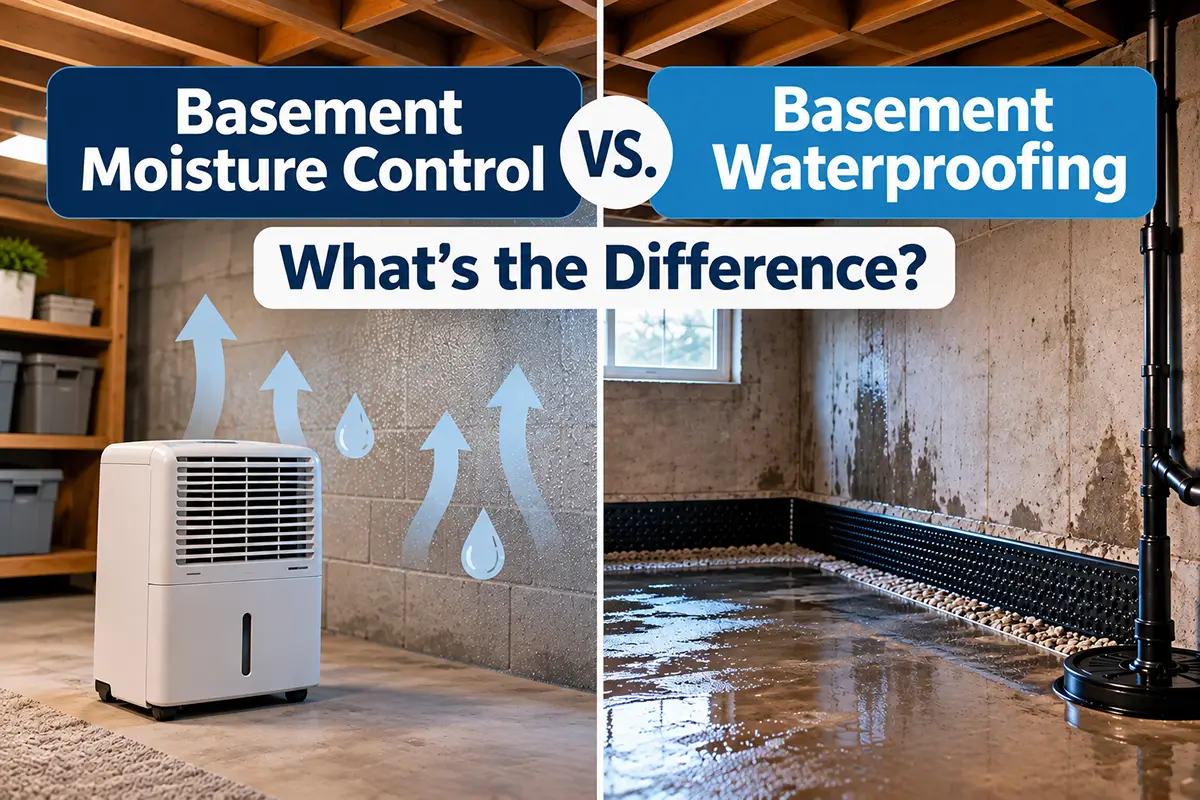
Basement moisture can come from a number of sources, including humidity, condensation, seepage, drainage problems, foundation cracks, or poor yard grading. Some of these, like humidity and condensation, are about moisture in the air. They fall under the category of basement moisture control. Others, like seepage, drainage problems, foundation cracks, and exterior grading, are about water finding its way in from the outside. That's what basement waterproofing covers. Basement moisture control and waterproofing are not the same; they address different types of moisture-related issues.
By the time the air feels thick, or you’re seeing actual water in your basement, moisture has already found its way inside. That means you're probably not choosing between moisture control and waterproofing. You need waterproofing first to stop the water at its source, and moisture control to handle the humidity and dampness that’s making everything feel damp. Depending on the severity of your issue, the specific fixes and associated costs can vary.
This article explains what basement moisture control and basement waterproofing cover, where your problem might be coming from so you can self-diagnose, and how to know when it's time to call in the pros for a free inspection. Learn more so you can take back your basement.
Jump to:
What Basement Moisture Control Covers
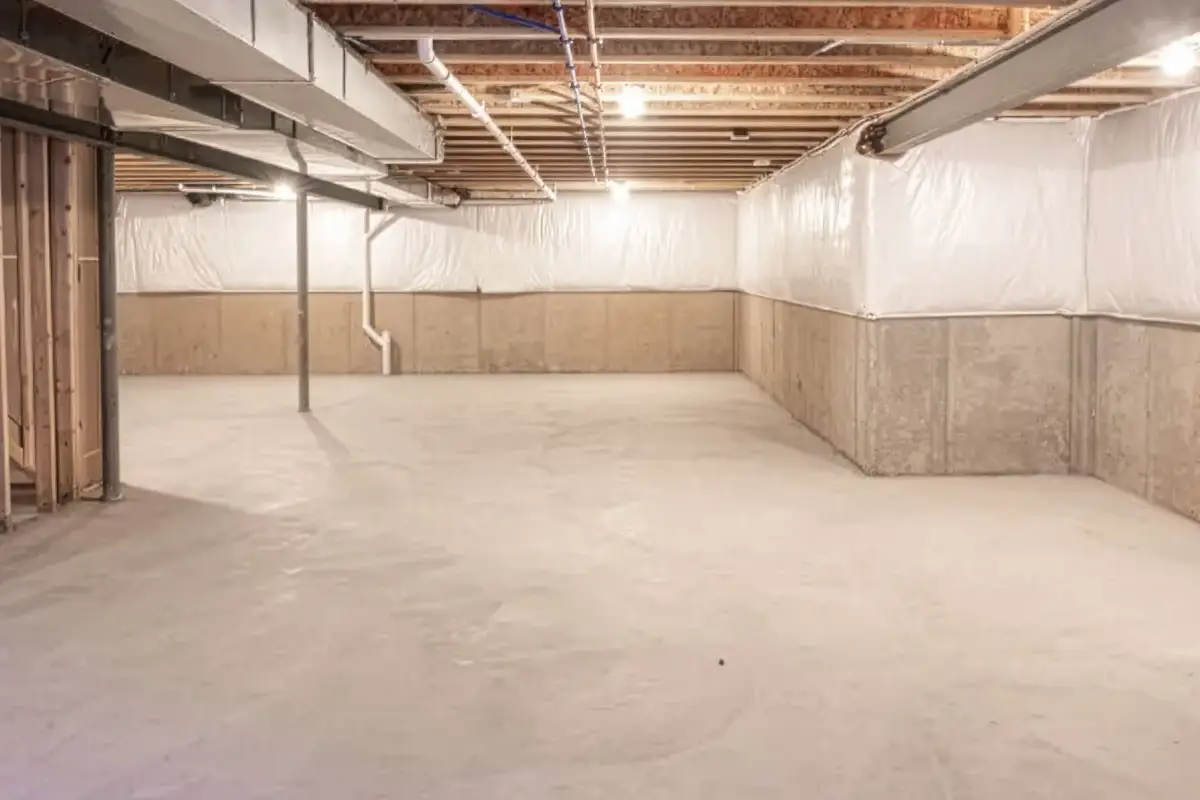
Moisture control refers to the water already in your basement’s air, and not water coming through the walls or from elsewhere. That includes humidity, condensation on pipes or windows, and the basement humidity problems that build up simply because basements sit below ground and stay cooler than the rest of the house.
A dehumidifier is the most common way to remove moisture from the air. Improving ventilation, installing exhaust fans, and venting your clothes dryer to the outside are other steps that help. It’s imperative to get the moisture out of the air before it can turn into mold. Learn more about basement dehumidifier systems to see where they fit into a basement moisture control plan.
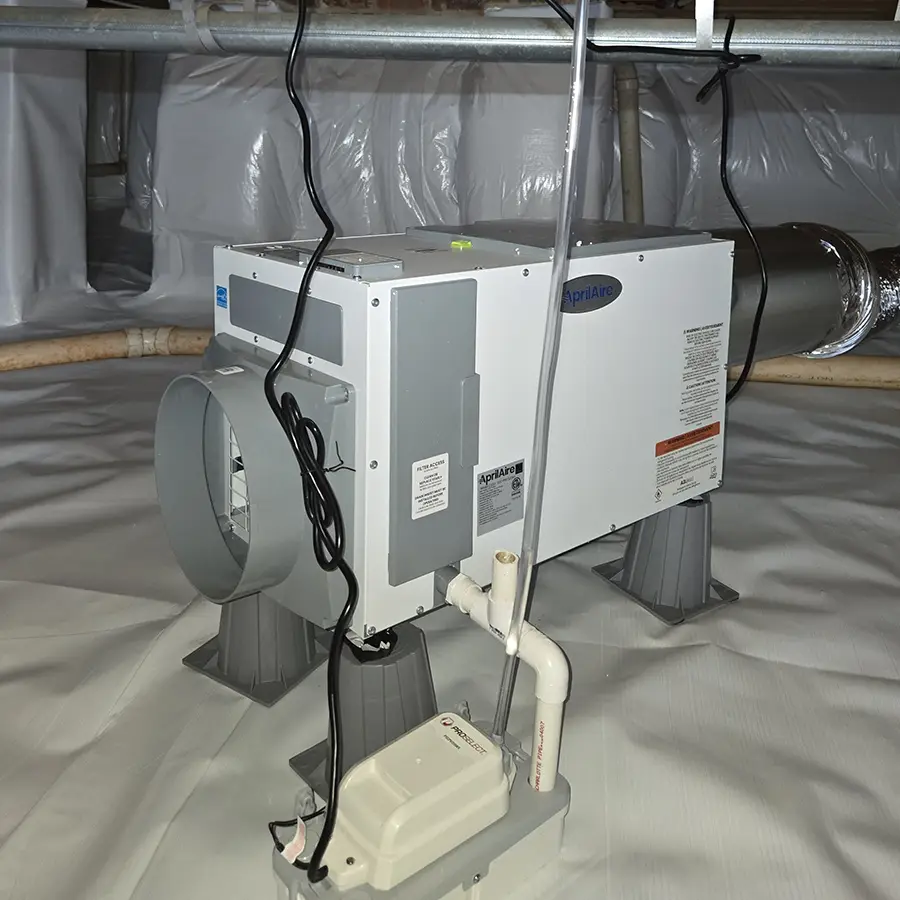 If humidity is the only moisture-related issue in your basement, and that can sometimes be the case in a high-humidity environment like Charlotte, a dehumidifier is usually enough to keep the problem at bay. However, if water is finding a way into your home, and it will definitely do that in Charlotte, moisture control tactics take a back seat to waterproofing and stopping the water at its source.
What Basement Waterproofing Covers
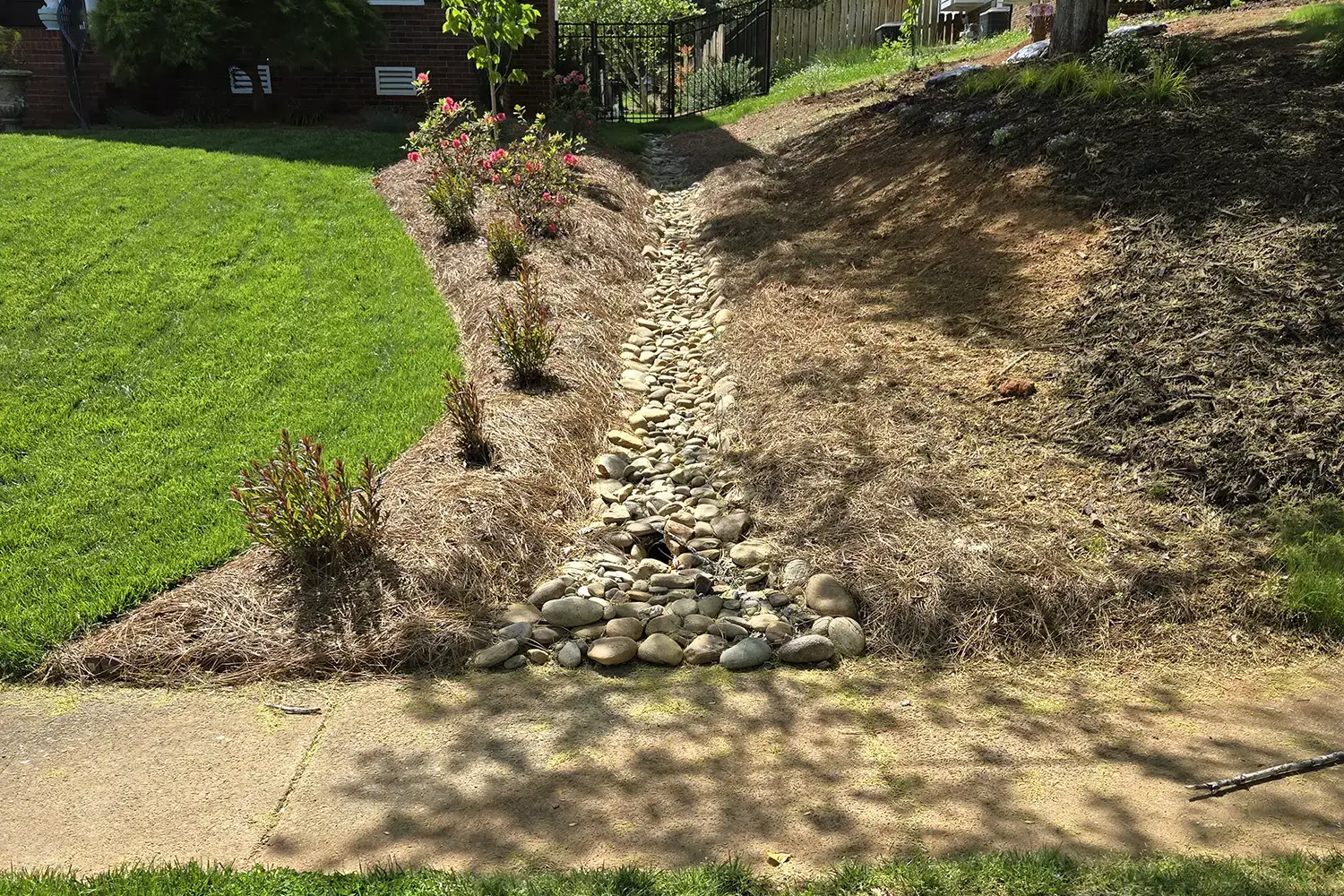
Waterproofing deals with water that’s getting into your basement. It could come through a crack in your foundation, a window well, or yard grading that sends rainwater toward your house instead of away from it.
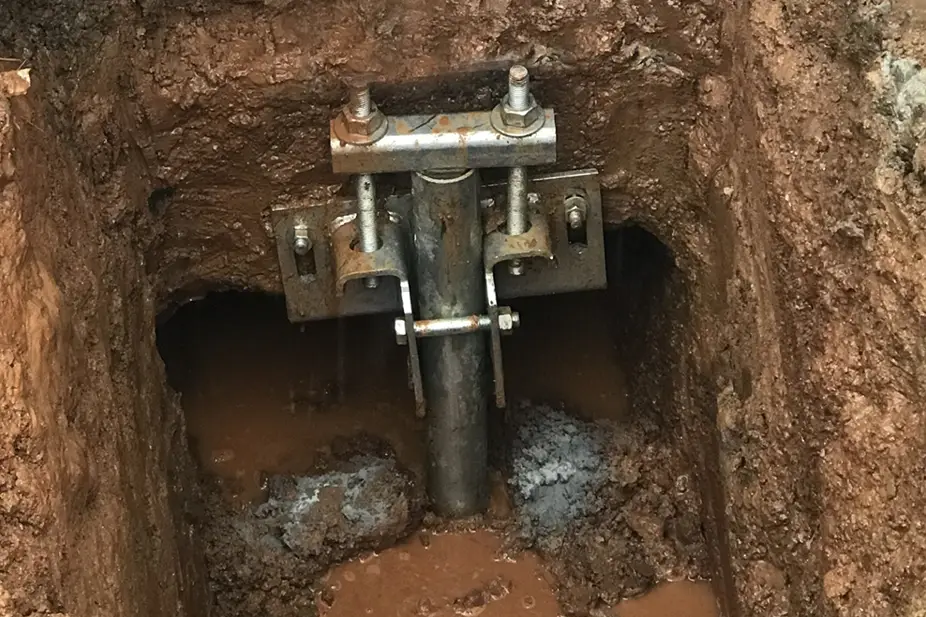
The fix is finding and sealing the entry point. That could mean a masonry waterproofing sealer on interior basement walls (not regular paint!), exterior drain tile and a waterproof membrane, or re-grading your yard to prevent yard drainage issues. See our basement waterproofing solutions for more specifics, or read Keep It Dry: 6 Tips for Waterproofing Basement Walls for an overview of how to treat wet basement walls.
Moisture is an issue for every homeowner in the Carolinas. Left unchecked, it can create a multitude of problems, including mold, musty smells, and even structural weakness in your house.
Basement waterproofing should always start the same way: find out where the water’s getting in and put a stop to it. If you don’t do that, nothing else you do will matter. In all likelihood, you will need professional assistance. More on that later.
Diagnosing the Problem
So, are you dealing with a humidity problem or do you have actual water in your basement? Pay close attention to the symptoms. For example:
- If you see condensation on windows or pipes, but don’t see wet spots on the basement walls, that’s a humidity problem, which falls under Moisture Control.
- A musty smell that won’t go away, even with a dehumidifier operating, usually means moisture is getting in somewhere, which signals Waterproofing.
- If you see standing water, have damp basement walls, or a visible crack in the wall, you know water is making its way inside which means Waterproofing.
Of course, you can have all of the above at once, especially if you have an older Charlotte home. If you have multiple symptoms, the same strategy holds for how to fix basement moisture in the right order:
- Stop the moisture source first
- Manage the moisture in the air.
Remember, a dehumidifier can be a great asset, but it only gets water out of the air. It doesn’t stop it from coming inside.
When It’s Time For the Professionals
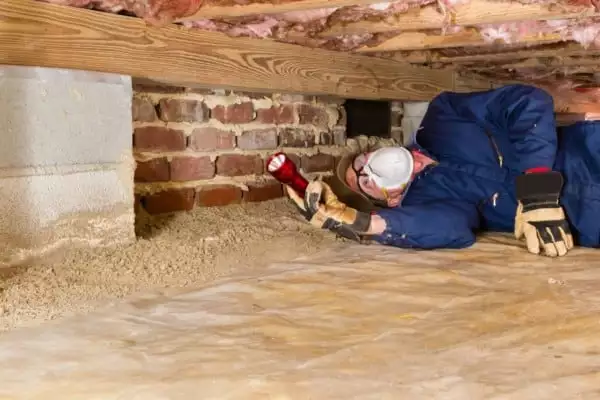
For the overwhelming majority of Charlotte homeowners, unless you actually see standing water or wet spots on your basement walls, or notice a recurring musty smell, it’s really hard to know where a moisture problem is coming from. Is your basement issue due to the humidity, a foundation crack, oversaturated earth pushing against your foundation, or all of the above?
That’s why it pays to have a professional inspection. (Which you shouldn’t have to pay for, by the way.) Professionals know what to look for and the likeliest places to find it, whether it’s your window wells, foundation walls, out in your yard, or even your downspouts. Then, once they do find the source of your problem, they know what it takes to fix it.
A right-sized basement dehumidifier system might be part of that mix, but it’s not as easy as going out and buying one at the hardware store. Matching capacity to your basement size and placing the dehumidifier where it’s most effective takes experience. Moisture Loc has been sizing and installing these systems in Charlotte basements for nearly 40 years.
If your basement moisture problem turns out require more than a dehumidifier and sealed walls, our basement moisture management page walks through more comprehensive measures.
Whether it’s moisture in the air or wet spots on the walls, no homeowner should tolerate a wet, damp, dank basement for long. If you're sure not what the issue is, well, that's exactly what a free inspection is for. Schedule one with one of our experienced Moisture Loc professionals and start working toward a dry basement you can enjoy year-round.
Basement Moisture Control FAQs
Is basement waterproofing the same as basement moisture control
No, the two terms are not interchangeable. Waterproofing stops water from getting into your basement through cracks, window wells, or the soil outside. Moisture control deals with the humidity and condensation already inside and is typically dealt with using dehumidifiers and ventilation . Keep in mind that most basements that have been damp for a while will likely need both. A free inspection will tell you for sure.
Can I have a basement moisture problem without seeing any water
Absolutely, and it’s actually highly likely. High humidity, condensation on windows or pipes, and a musty smell can all show up before you ever see standing water or a crack.
Do I need drainage work if I already waterproof my basement walls
Sealing the walls stops water from coming through them, but if the real source is the grading in your yard, a failing gutter system, or water that’s pooling against your foundation, sealing the basement walls alone won't fix it. Those issues need to be addressed before you apply anything if you don’t want the problem to return.
How do I know if my basement issue is humidity or an actual leak
Check for wet spots, cracks, or water stains on the walls and floor. If you don't see anything but the air still feels damp or smells musty, it's probably humidity. If you do see wet spots, or the dampness keeps coming back no matter how much you run a dehumidifier, water is getting in somewhere, and it needs to be eradicated at the source.