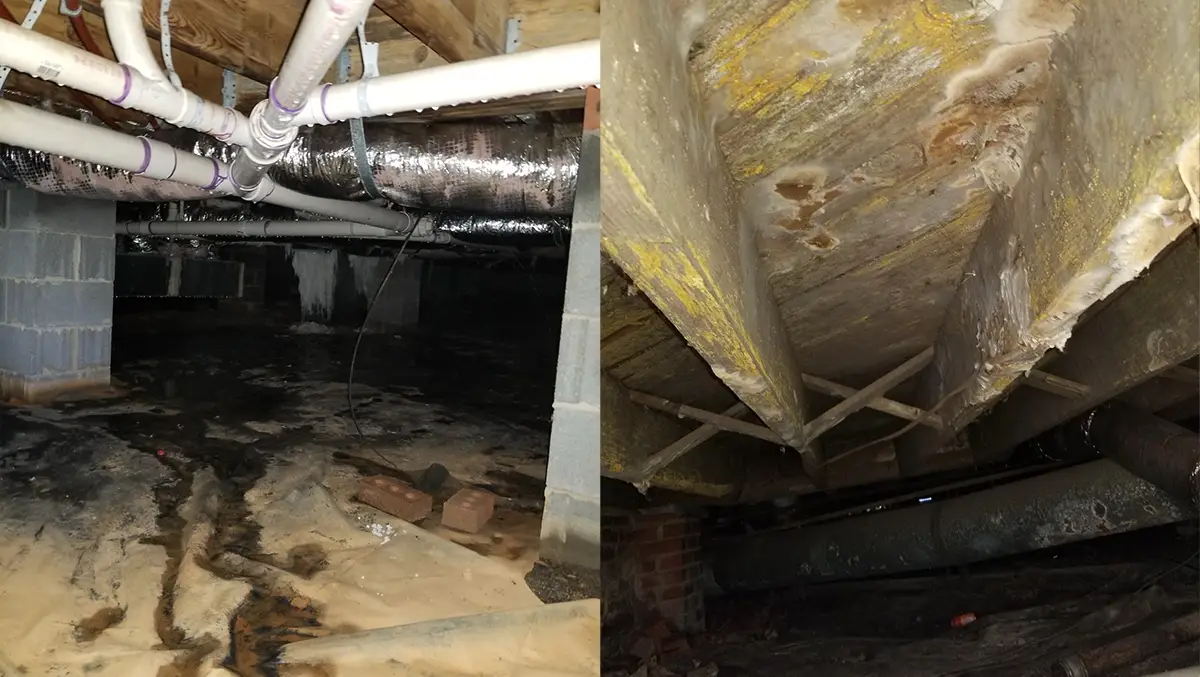
You can't negotiate with a crawl space smell.
Oh, you might outsmart it for a little while. Lavender. Mango Splash. Sandalwood. All are perfectly legitimate air‑freshening scents, and sure, they can help cover a musty smell for a bit.
But if the odor is coming from your crawl space, it'll keep coming back. You can throw fifty cans of Crisp Fall Breeze at it, and it won't matter. That's because the problem you're fighting isn't actually the smell. It's the conditions causing it.
In Charlotte, older homes with vented crawl spaces are especially good at creating those conditions. Warm, wet air gets pulled in, puts its feet up, and gets fed by a summer's worth of storms and humidity. The storms add water around the foundation, and Charlotte's clay soil holds it close. So, your crawl space never has a chance to dry out.
Then one day, maybe after a storm or when the AC kicks on, you'll be standing near a vent and catch a musty smell. A day or two later, you'll catch another. This is when “air freshener” gets added to the grocery list.
But air fresheners, candles, or an army of fans won't solve the issue. The musty smell is just the smoke alarm. It's not the actual fire. That’s why Charlotte homeowners often jump on Google to search for how to get rid of crawl space smell or crawl space odor removal.
Understanding Musty Crawl Space Smells
A musty crawl space smell is usually a mix of three things:
- Moisture (from humidity, groundwater, rainwater, or condensation)
- Time (consecutive days being damp)
- Organic Material (wood joists, insulation, debris)
When these three align, a crawl space can start to generate the musty smell we all know and dread. You don't have to go into your crawl to experience it, either. Crawl space air can get sucked into your HVAC system and sent upstairs.
The key is to remember that the odor isn't the problem. It's just telling you there is one, and it's going to need some attention.
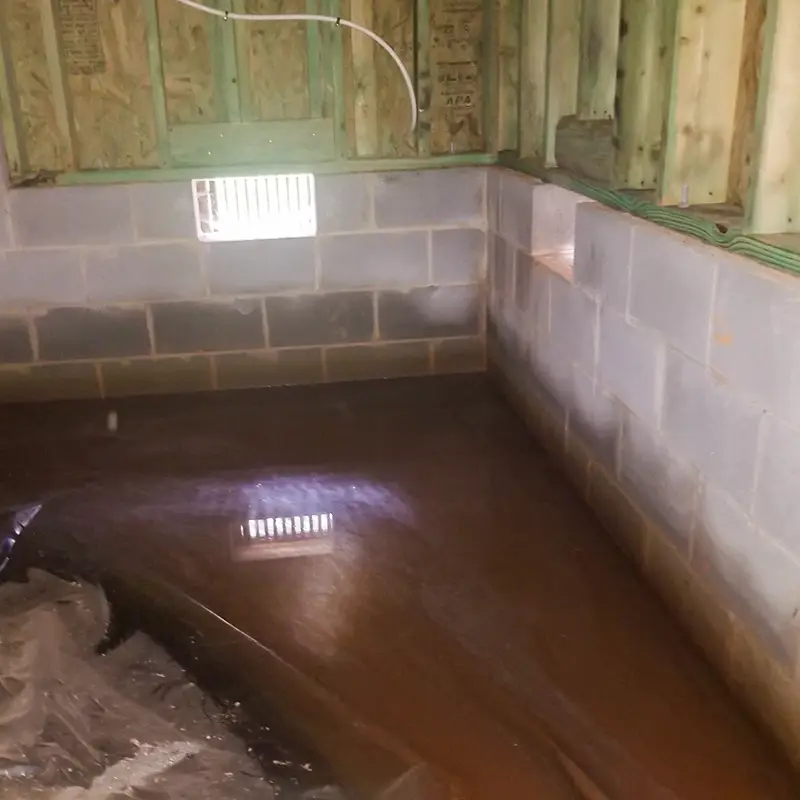
The Importance of Addressing Crawl Space Odors
Dealing with an odor in the crawl space, and crawl space issues in general are thankless homeowner tasks. The crawl space doesn't add curb appeal. You’re not going to show it off to guests. But it’s a critical area to take care of because it can directly impact the long-term health of your home and family.
If you smell something, say something, because letting moisture gather in your crawl space over time can lead to:
- A musty smell that never fully disappears
- Compromised insulation that starts holding odor
- Higher indoor humidity, especially during hot and muggy Charlotte summers
- Structural issues are created when wood beams and joists are exposed to excessive moisture
- Mold growth
All of these issues are serious, but mold is the one that gets everyone's attention. And for good reason. Did you know that about 40% of the air you breathe in your home comes from your crawl space? If mold is present, spores can move through air ducts to get upstairs. The good news? Mold can be dealt with, especially with professional mold remediation services.
Mold Remediation Services
Moisture is an irresistible force in the Carolinas. The humid air we experience for months at a time creates ideal conditions for mold growth. Prevention takes more than just knowing how to dry out a crawl space. This is where professional mold remediation services come in.
Remediation is not a “spray and pray” scenario. Mold is more resilient than that and requires a more potent solution. Proper remediation removes mold and addresses the moisture source so the problem doesn't return.
Identifying Mold Issues
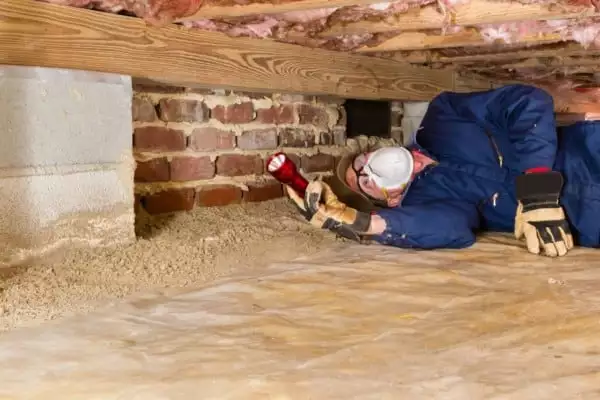
You can spot a potential mold issue in several ways:
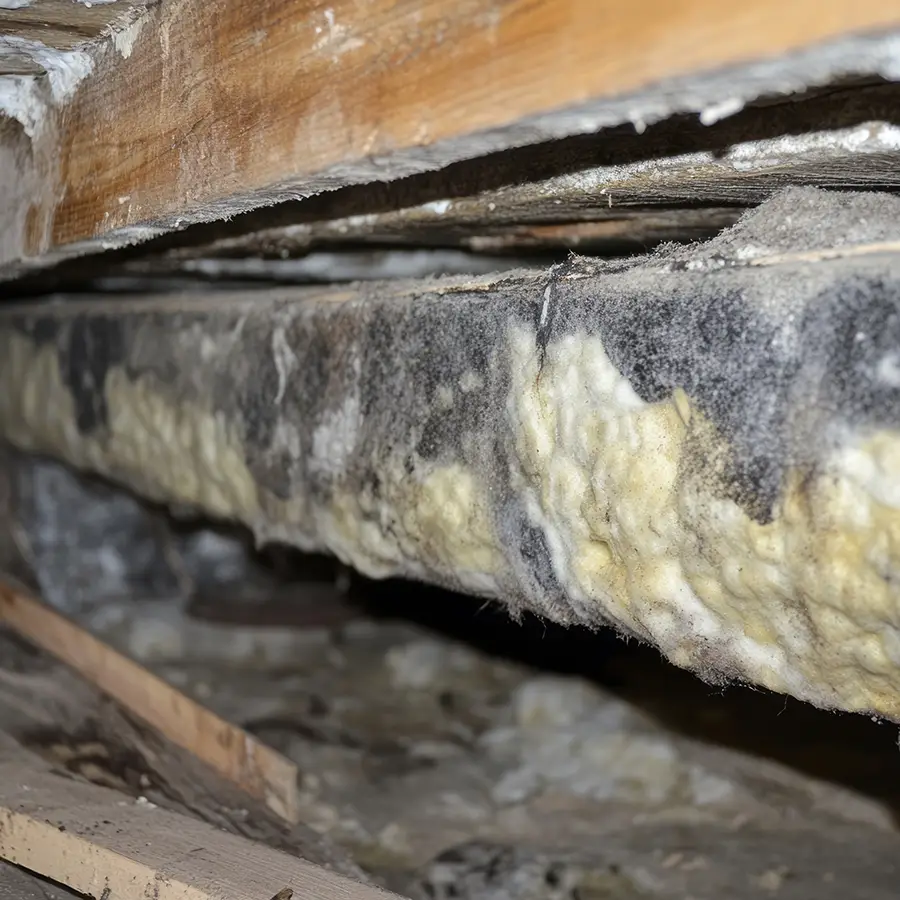
- Visible growth on joists, subflooring, or insulation
- The musty smell we've been talking about, especially if it's persistent
- Condensation on ductwork or pipes
- Pest infestation
- The inside of your home feels damp or stale
- A shift in your health (or a family member’s). Mold can worsen allergies, asthma, and pre-existing respiratory conditions.
Effective Mold Remediation Techniques
As a homeowner, you can see mold for yourself, but eliminating it is best left to professionals. A spray you buy online is extremely unlikely to solve your problem for good.
A professional approach typically includes:
- Identifying the moisture source
If you get rid of the mold but not the moisture feeding it, remediation will be temporary. - Scrubbing or removing affected materials
Some materials can be cleaned. Others, like contaminated insulation, often need replacing. - HEPA air cleaning
- A long‑term moisture plan
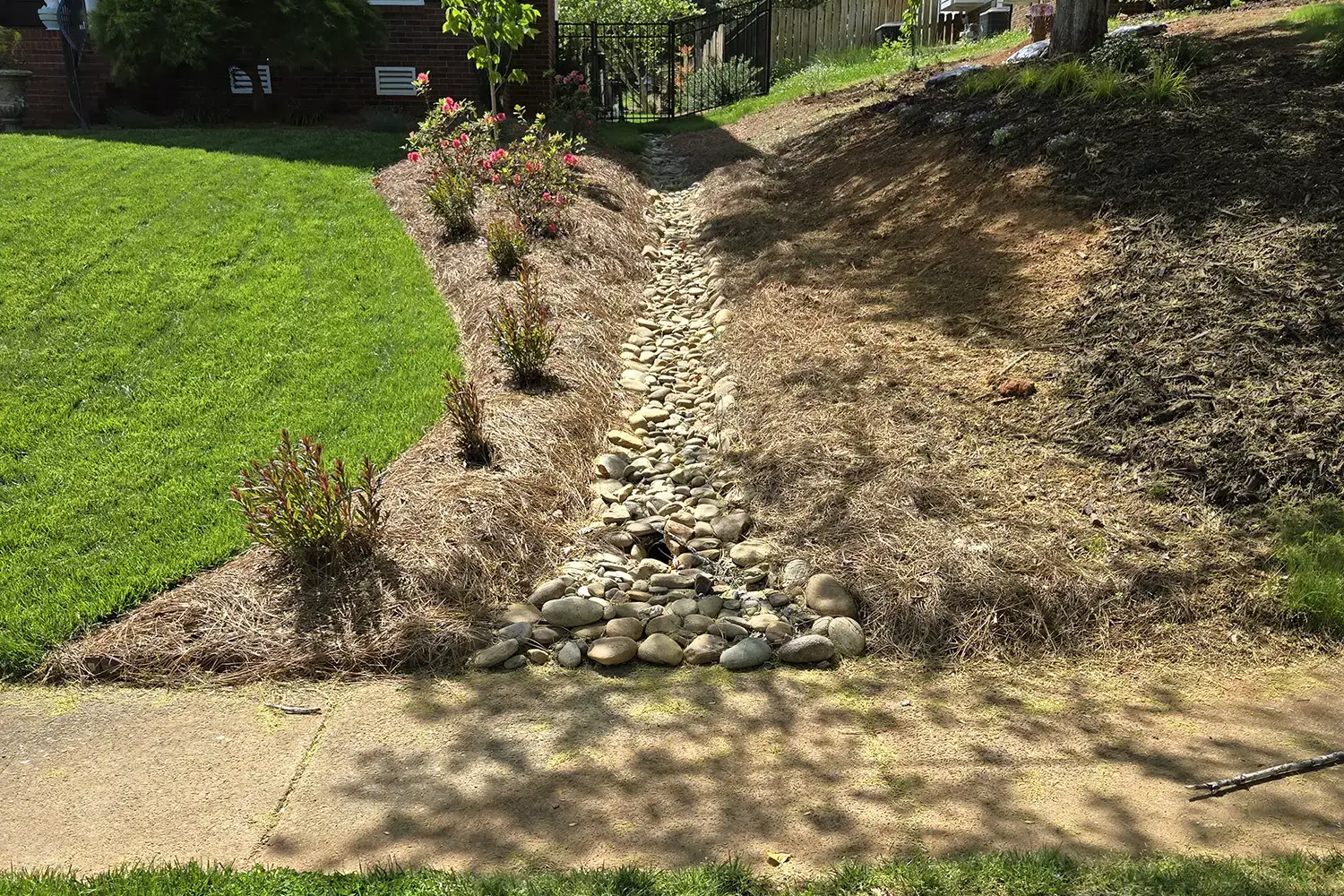
Crawl space encapsulation, drainage improvements, and downspout extensions help keep your crawl space dry.
Benefits of Professional Mold Remediation
Hiring seasoned, certified professionals is worth it because they:
- Target the source of your mold problem, not just visible evidence
- Prevent mold from coming back
- Bring a proven plan for long‑term moisture control
- Provide peace of mind that a serious job is being done right
If you're considering a DIY option, ask yourself if it's powerful enough to keep mold from coming back over the next 3 months. How about the next 3 years? In Charlotte? That’s why you go with professionals.
Crawl Space Encapsulation Services
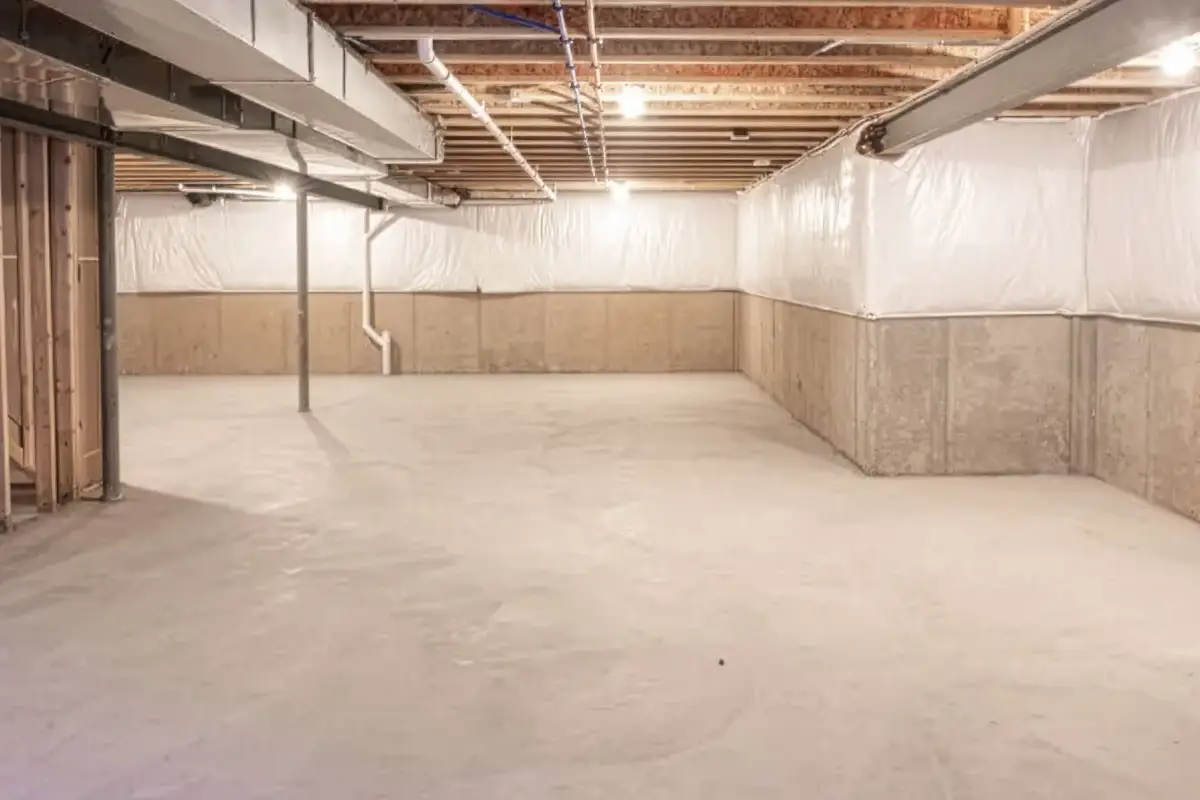
The best way to keep moisture out of your crawl space is to purposefully shut it out. Encapsulation services do that by turning your crawl space into a sealed, environmentally controlled room.
What Is Crawl Space Encapsulation?
Crawl space encapsulation is a multi‑step system that keeps moisture out of your crawl space for good. Done correctly, it typically includes:
- Applying a heavy‑duty vapor barrier that covers the walls and ground
- Sealing off vents, cracks, and openings that let air and moisture in
- Addressing standing water and drainage issues
- Installing a crawl space dehumidifier to keep humidity stable
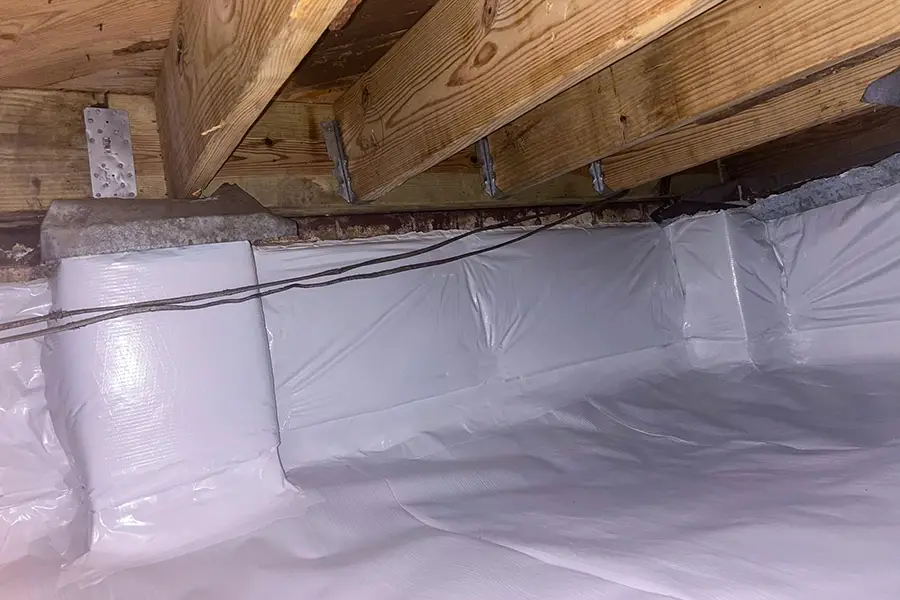
If you've searched for “crawl space encapsulation Charlotte,” this is exactly what you're looking for. It's not a quick fix. It's not plastic you tape yourself. It's a plan that changes the conditions feeding your musty crawl space smell.
How Encapsulation Works
Encapsulation works because it blocks the three biggest moisture drivers at once: humid air, ground vapor, and recurring wet conditions.
Here’s the typical sequence:
- Stop water from entering or lingering
This may include drainage improvements, a sump pump, or extending downspouts. - Clear and clean
Remove damp insulation and debris. - Install and seal the vapor barrier
Thick plastic, typically 15–20 Mil, sealed everywhere. - Seal vents and cracks
Keep the humidity outside. - Control humidity
A dehumidifier brings the crawl space to a stable humidity level between 30%–50%.
Advantages of Crawl Space Encapsulation
Encapsulation is one of the most reliable long‑term solutions for crawl space odor removal because it doesn’t just treat symptoms — it completely changes the environment under your home.
Protection Against Moisture and Odors
When moisture is kept out, musty odors are too. A dry, humidity‑controlled crawl is far less welcoming to moisture, mold, pests, and that recurring musty smell.
Crawl Space Odor Removal Solutions
People often search for crawl space odor removal like it's a one‑off service. It is not. As we've discussed, your musty crawl space smell comes from lingering moisture. You get rid of the moisture, and the odor should follow.
Common Causes of Crawl Space Odors
- Damp wood (beams, joists, subfloor)
- Wet insulation
- Standing water or muddy soil after storms
- Mold
- Random organic material like wood and cardboard
- Duct leaks pulling crawl air into the HVAC system
Moisture and Humidity Factors
If you want a simple way to think about how to dry out a crawl space, focus on two questions:
- Where is the moisture coming from?
It could be open vents, ground vapor, stormwater, condensation, or plumbing/HVAC leaks. - Why isn't it leaving?
Possibilities include poor airflow, wet insulation, and no humidity control.
In Charlotte, the “why isn’t it leaving?” question matters. High humidity lasts for months here. That’s plenty of time for moisture to get in, linger, and start feeding mold and odors.
Pests and Decaying Organic Matter
Rodents, termites, and insects can make the odor worse by bringing in nesting material, tearing up insulation, and leaving droppings behind.
How to Get Rid of Crawl Space Smell
If you're trying to figure out how to get rid of crawl space smell, you do it in two ways:
- Moisture management
- Removing the items causing the odor (rotten wood, damp insulation)
That usually means some mix of:
- Drainage improvements
- Crawl space waterproofing measures
- Mold remediation
- Encapsulation
- Dehumidifying
DIY Solutions vs Professional Services
There are DIY steps that homeowners can take.
DIY steps that are worth doing (and safe for most homeowners)
- Track the odor pattern
Is it worse after storms or when the AC runs? The pattern helps identify the moisture source. - Check gutters and downspouts
If downspouts dump water near your foundation, extend them. - Look for obvious crawl space issues
Standing water, damp insulation, condensation on ducts, or torn vapor barriers. - Use a basic humidity meter
If humidity is consistently high (above 50%), the crawl space is not drying out.
These steps help you understand the situation, but they won’t help solve the odor problem.
When Professional Help Is the Smarter Move
If you notice any of the following, it's time to call someone who deals with crawl spaces every day:
- A recurring musty smell
- Standing water or damp insulation
- Mold growth
- Pest infestation
Any of these symptoms should prompt you to type “crawl space waterproofing near me” into your phone right away. Just make sure the companies you contact can deliver a plan for the conditions causing the odor — not just the odor itself.
Moisture Loc is a local, family‑owned business that's been serving Charlotte homes since 1988. When it comes to crawl space waterproofing, we've seen and smelled it all. We know that when it comes to moisture and humidity, Charlotte's weather is something to be reckoned with — and we're just the guys to do it.
Call 704-486-5066 today for a free Crawl Space Inspection
Conclusion
The 5 Solutions for a Musty Crawl Space Smell
A crawl space smell is frustrating because it feels like it should be an easy fix. Spray something. Get some fans going. Problem solved.
But as you now know, you can't negotiate with a musty crawl space smell.
To solve the problem, focus on the strategies that change the conditions underneath your home:
- Identify the moisture source
- Use mold remediation services
- Consider crawl space encapsulation
- Remove damp insulation, wood pieces, and debris
- Control moisture long‑term with drainage, sealing, and dehumidification
Importance of Regular Maintenance and Inspection
Once the crawl space is dry and temperate, a maintenance routine helps keep it that way:
- Check gutters and downspouts periodically
- Walk the perimeter after big storms
- Watch for plumbing drips and sweating ducts
- Make sure the vapor barrier stays sealed
And yes, you can keep the air fresheners if you want. Lavender will always have its place. It's just not the tool that's going to fix a moisture problem in your crawl space.
If you’re experiencing a musty smell in your home or have any other crawl space, basement, foundational, or yard drainage issues, get in touch with our expert team.
FAQ: Musty Crawl Space Smell — Charlotte Solutions
Why does my crawl space smell musty?
A musty smell usually means moisture has been lingering long enough to create odor, often from humid air, ground moisture, or damp insulation and wood. Fixing the moisture source is what stops the smell from coming back.
Is a musty crawl space smell harmful to my health?
Possibly, especially if mold is present. People with allergies, asthma, or respiratory sensitivities may notice symptoms more quickly. When you search for crawl space waterproofing near me, make sure the companies you vet are certified to remediate mold.
Will a dehumidifier alone get rid of crawl space odor?
It won't fully solve the problem if moisture is still entering through vents, cracks, or the ground. Dehumidifiers work best when the crawl space is sealed.
How long does it take to remove a musty smell after treatment?
If the moisture source is corrected, improvements can occur anywhere from a few days to a couple of weeks. If damp insulation or mold is holding odor, it may take longer.
Does crawl space encapsulation stop musty odors?
In many older Charlotte homes, yes. Encapsulation services create a controlled environment where a dehumidifier can maintain stable conditions. That combination is how to get rid of crawl space smell long‑term.
How much does it cost to fix a musty crawl space in Charlotte?
It depends on the size of the crawl space and what's driving the moisture. A targeted repair might be a smaller investment, while full drainage, waterproofing, and encapsulation services can be several thousand dollars or more. When comparing crawl space encapsulation Charlotte providers, focus on whether the plan actually changes the moisture conditions long‑term.