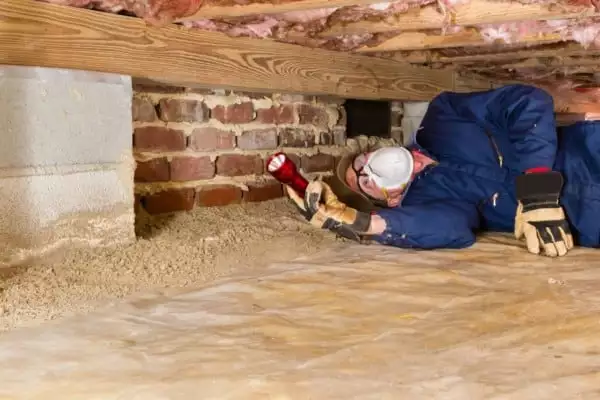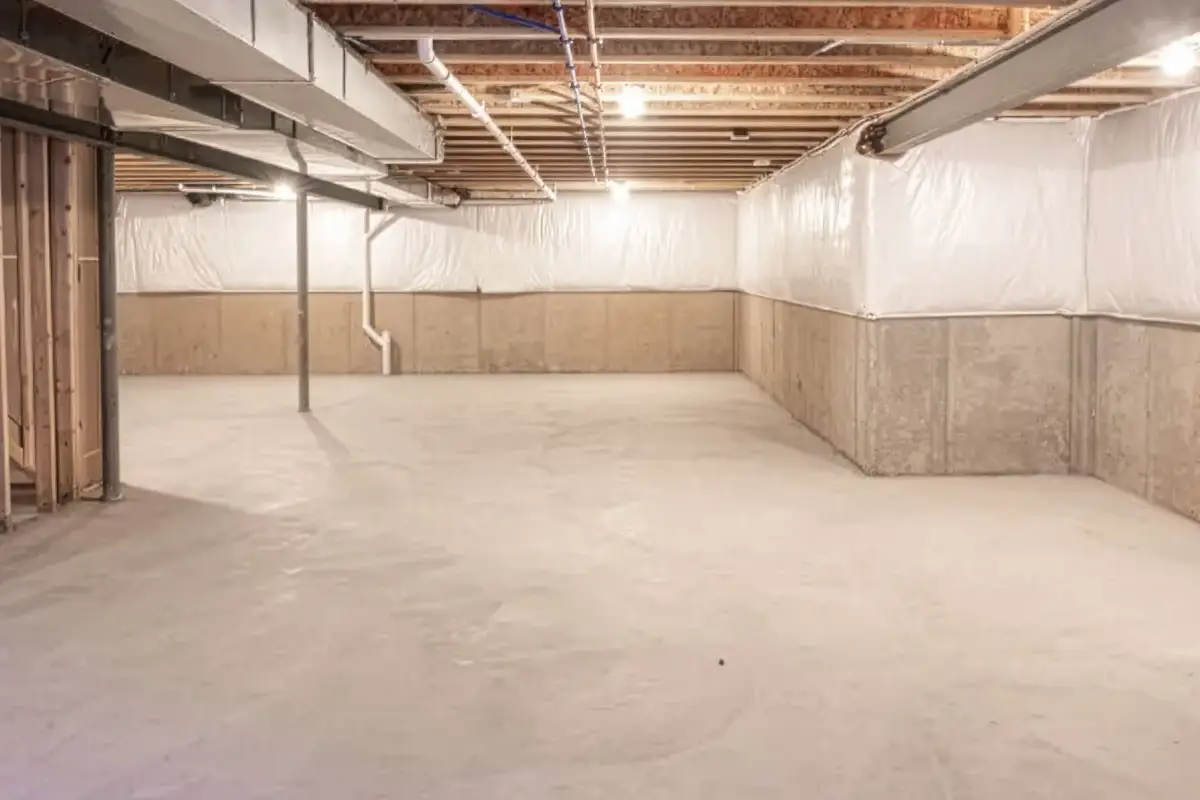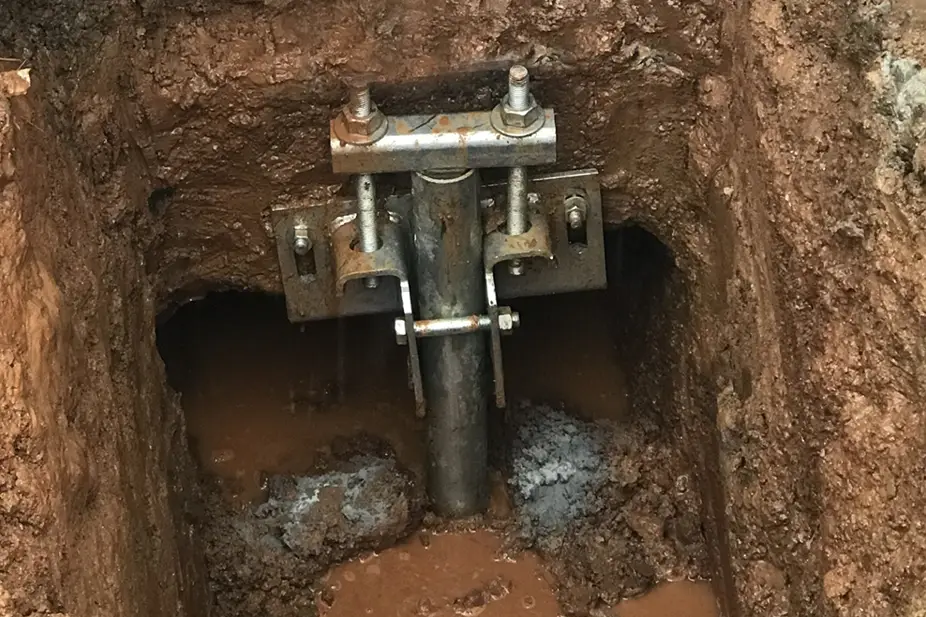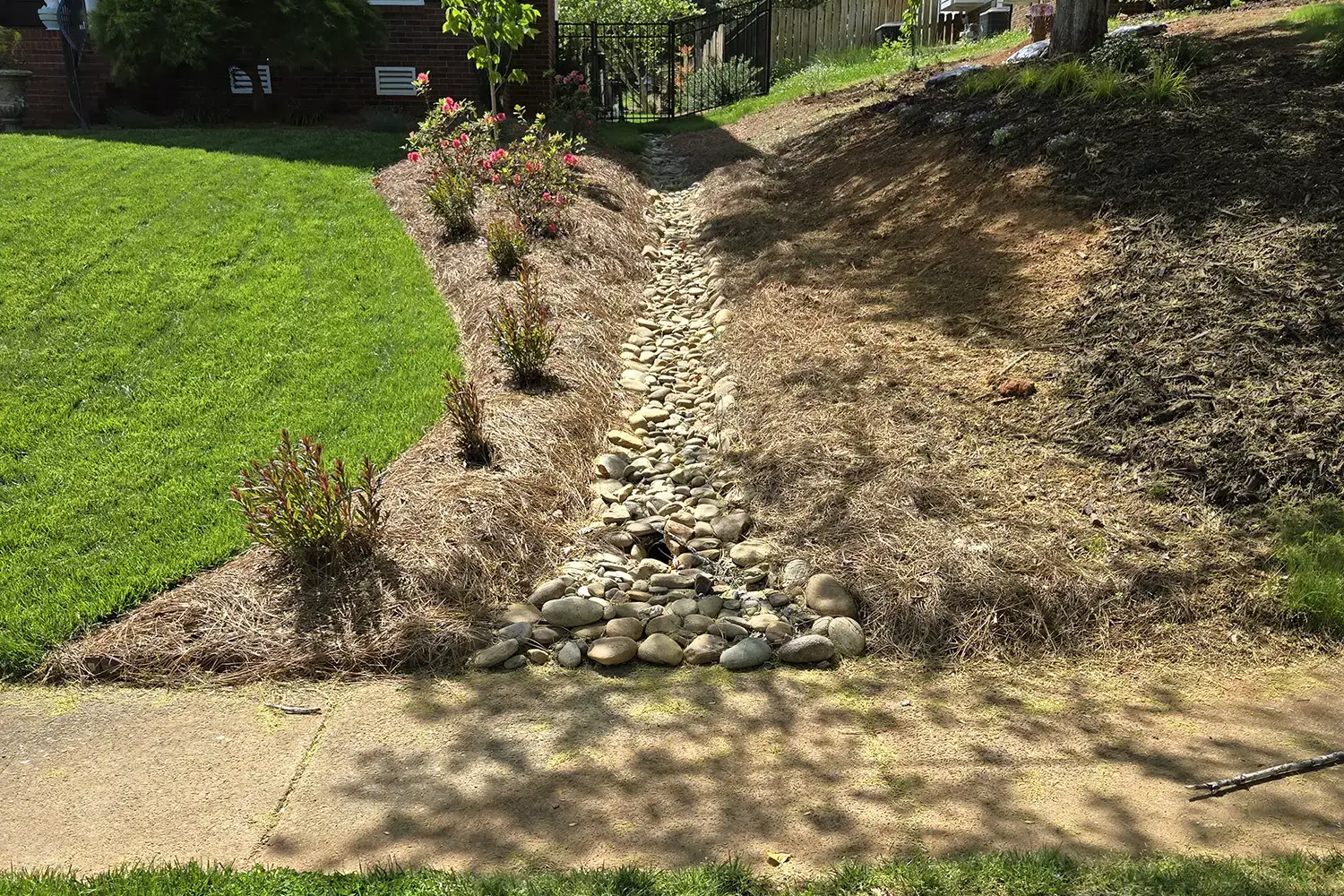

Are you worried that you might have mold in the basement, crawl space, or another part of your home? Living in the Carolinas, it’s a very legitimate concern. This post will take you through five of the most common red flags to watch for. You’ll also find out what mold toxicity is, how to prevent it, and when it’s time to call the experts to investigate your basement mold symptoms.
Jump to:
What Are the Top 5 Symptoms of Mold in Basement?
Many of the following basement mold symptoms indicate that there’s water and moisture beneath your home. While these symptoms don’t come directly from mold, they do indicate a mold-friendly environment.
Pests
Many insects and vermin are attracted to water and moisture. This includes rodents, cockroaches, pillbugs, earwigs, centipedes, and silverfish. If cracks exist in your basement’s foundation, these unwanted visitors can easily make their way inside. If you've never had a problem with these pests before but suddenly find them in or around your home, it means the environment is right for them, and for mold.
Uneven Basement Floors
Sagging or dipping basement floors can occur either when there is moisture beneath them or when soil has been eroded under your home’s foundation. Sometimes this sign is subtle, and you may notice carpeting or floorboards that don’t lie quite right. Or it may be more apparent when you feel soft spots beneath your feet, or when the floor feels bouncy, with more give than normal.
Building Materials Deteriorating
Over time, moisture under your home can put pressure on your foundation, slab, or walls. Cracks can appear. These pose their own set of problems and will likely require foundational or structural repair, but the moisture at the source could be feeding mold as well.
Other building materials may start to break down in more obvious ways, too. They include:
- Peeling and flaking paint
- Stains or discoloration on interior structures
- Warped paneling or floors
- Crumbling drywall
- Rotting wood
Plumbing Problems or Leaks
Plumbing or pipe problems can also signal unseen mold in a basement.
Watch out if you have any of these issues:
- Leaking or dripping pipes
- Leaking water heater
- A previous frozen or burst pipe
- Dripping hose spigot outside
- Sudden drop in water pressure
- Unusually high water bill
- Sound of water running when the tap is not on
- Ponding water in the yard
- Smell of wastewater
Musty or Unpleasant Odors
Homeowners know mold when they see it. But it doesn’t always look the same. It can appear in a variety of colors and typically grows in circular patterns.
You can also smell mold, usually as an unpleasant, musty odor. However, it can be difficult to track where it's coming from if it gets in your air vents or rises from the basement.
What Are the Signs of Mold Toxicity?
Mold can make you sick. Mold toxicity, also known as mold poisoning, can produce symptoms ranging from sniffles to asthma attacks and infections.
The severity of mold toxicity depends on a number of factors:
- Amount of time you are exposed to mold
- Amount of mold in your environment
- Type of mold you have been exposed to
- Proximity to mold (in the attic versus the kitchen, where you spend much of your time)
- Mold allergies (sensitize you to mold, making reactions stronger)
- Other health conditions (a.k.a. comorbidities)
The Impact of Mold on Your Health
As you can see from this list, the symptoms associated with mold toxicity mirror those of most common allergies. For allergy sufferers, this makes it harder to tell the difference between the two. For non-allergy sufferers, a sudden and persistent onset of some of the following conditions may indicate mold in your basement, crawl space, or elsewhere.
- Nasal or sinus congestion or irritation
- Sneezing
- Sore throat or coughing
- Wheezing
- Nosebleeds
- Itchy, watery, or red eyes
- Blurry vision
- Difficulty breathing
- Rashes, hives, or other forms of skin irritation
- Headaches
- New asthma
- Worsening or more frequent asthma attacks
Babies, young children, pregnant women, seniors, people with allergies and respiratory conditions, and those with weakened immune systems are more susceptible to mold toxicity.
If you believe you or your family members have mold toxicity, you should consult a healthcare provider immediately. Obviously, try to avoid the areas of your home where there’s a greater likelihood of mold being present.
How Can Homeowners Prevent Mold?
The best way to avoid the home and health issues caused by mold is to create an environment that’s not conducive to growth.
Keep humidity inside below 50 percent. Consider installing an air conditioner or using a dehumidifier for moisture reduction during periods of damp or humid weather. If you have condensation on your windows, the humidity is too high.
- Improve air ventilation throughout the home.
- Fix leaks and keep a close eye on plumbing.
- Clean and dry out the home right away after a storm or flooding. Replace wet carpeting rather than trying to dry it. If damage is severe, hire professionals.
- Install a sump pump to remove stormwater from the basement.
- Grade the yard around your foundation so water doesn't collect there.
- If you do have yard drainage issues, explore solutions before damage accumulates.
- Landscape around the foundation to inhibit the accumulation of water.
- Use mold-killing cleaning products, especially in wet areas of the home, like the bathroom and kitchen.
- Use exhaust fans, particularly in the bathroom, to remove moist air.
- Always vent your clothes dryer to the exterior of the home.
Will an air purifier help with mold? It depends on the specific mold problem, the volume of air purified, the type of filter you use in the purifier, and where the purifier is placed. Air purifiers can help remove musty odors but be careful not to mask basement mold symptoms by removing the smell without addressing the source.
Doing all these things yourself helps, but a full fix usually means addressing the moisture at its source. See our basement moisture control services for what that looks like.
Can You Test for Mold in Your Home?
The best way test for mold is to see it. If there’s no visual evidence but you see basement mold symptoms, by all means test. However, testing may entail going behind walls, under floors, and behind panels in the basement. That is not recommended, since tearing up your home in search of mold creates a whole new set of issues and expenses.
If you suspect you have a mold problem, it’s smart to act immediately. The worst kinds of mold can produce mycotoxins, which cause severe health symptoms. Taking the problem seriously from the get-go can help prevent them.
What If You Need Basement Mold Removal?
If you have mold in your basement, or even think you do, you want to have experts remove it.
At Moisture Loc, not only can we eliminate the mold, but we are also experts at preventing the conditions that promote its growth. Our services include basement waterproofing, dehumidifying, and foundation drainage systems. If there’s been damage to the foundation or structure of your home, we offer structural and foundational repair.
For the full picture on preventing and fixing basement moisture for good, see our basement moisture control services.
Everything starts with a free inspection. Call Moisture Loc at 704-486-9887 or schedule online.
Mold in the Basement FAQs
Can basement mold make you sick?
Mold exposure can trigger allergy-like symptoms such as sneezing, congestion, and eye irritation, and it can make asthma worse. Or it can be even more serious. Not everyone reacts the same way. See “Signs of Mold Toxicity” above for a more complete list of mold-related symptoms.
Does mold always smell musty?
Not always, but usually. Musty odor is one of the most common signs of mold, but a small amount of mold, or mold growing behind a wall, might not produce a smell you'd notice. That's why visible signs like discoloration, damp walls, seepage, and warped materials matter too.
Can you have mold without seeing it?
Yes. Mold often grows behind walls, under flooring, or inside HVAC systems where you can't see it. A musty smell, unexplained allergy symptoms, or recent water damage are all reasons to look closer, even if nothing is visible on the surface.
How fast does mold spread in a basement?
Mold can start growing within 24 to 48 hours once it has moisture to feed on. Once it starts, it keeps spreading as long as the moisture source is still there, which is why finding and fixing that source matters more than just cleaning what you can see.