A problem on top of a bigger problem.
A floor in your home that sags or bounces when you walk on it is a symptom of a larger problem: the structure under the floor has lost its strength. In most Charlotte homes, the reason is moisture in the crawl space.
The tiny silver lining with sagging floors is that they reveal a serious issue that can be taken care of before it gets worse.
What Causes Sagging and Uneven Floors
Moisture in the Crawl Space: This is what we see most often, primarily due to our climate in Charlotte. Wood that gets damp consistently for years on end begins to rot, and reaches a point where it can’t support the floor above as it should. Uneven floors are the result.
Soil Movement Under the Foundation. Charlotte sits on clay soil, which expands and contracts with the weather. That movement shifts the piers and footings carrying your floor. When one area settles more than the areas around it, the floor above slopes.
Plumbing Leaks. Uncommon for a leak to go undetected for so long, but it happens. A slow leak under a bathroom or kitchen soaks the wood beneath it, producing a soft, sagging spot.
Sagging floors in an old house are common, partly due to more years of exposure and partly because older crawl spaces were built with vents and open to the ground. These vents provide free passage for moist, humid air.
Why Sagging Floors are so Common in Charlotte
Several variables are working against the wood under your house. The Carolina humidity runs high most of the year. A vented crawl space pulls that damp, humid air inside and holds it. And the clay soil surrounding your home holds water near the surface after a storm, keeping the ground wet long after the rain stops.
In other words, the wood beams and joists supporting your floors have nowhere to go to get away from moisture. That’s why fixing structural issues without addressing the moisture problem causing them isn’t smart or sustainable.
Sagging Floors Aren’t the Only Symptom
Uneven floors usually aren’t the only sign of a moisture problem. Here are some other signs to watch out for.
- Doors that stick or won’t latch
- Windows that get harder to open
- Cracks in drywall
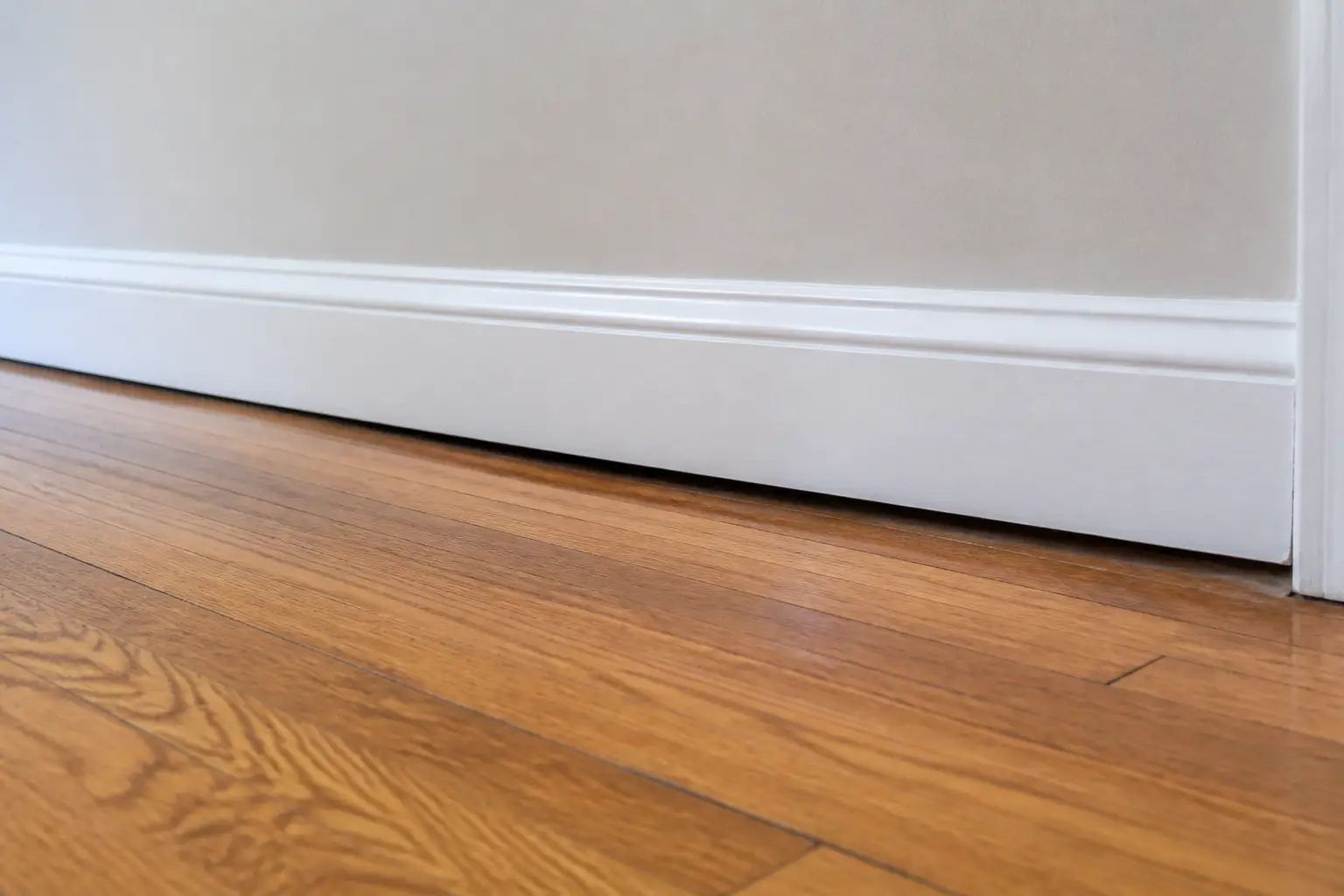
- Gaps under the baseboards
- A musty smell near the floor
One of these is not great. Noticing two or three in the same part of the house usually means further investigation is needed under the house.
Is a Sagging Floor Dangerous?
In most homes, not immediately. A slope that develops over many years is a maintenance problem rather than an emergency, and people live on them for a long time.
The reason to address it is that the problem won’t disappear on its own. Not as long as Charlotte weather keeps doing what Charlotte weather does. The longer the problem goes unchecked, the worse it gets and the higher the cost is likely to be.
A few situations call for an immediate check: a floor that dropped noticeably in a short time, a spot that feels extremely soft underfoot, or visible cracking in a beam or support post.
How to Tell If Your Floors Are Still Moving
- Set a level on the floor in the same spot every few months. Any change tells you there needs to be further investigation.
- If a door that’s already sticking gets harder to close over a season, the frame is still moving.
- Mark the end of a drywall crack with a pencil and date it.
- Look for standing water, mold, or recent staining in the crawl space, which means that moisture is present.
Think Your Floors are Moving?
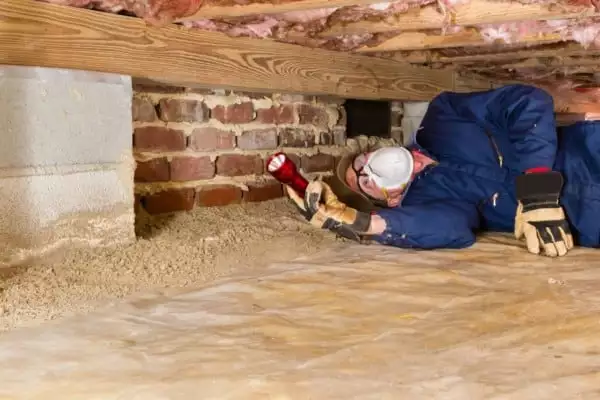
Get someone under your house to take a look and identify which wood has lost strength and why. If it’s a moisture issue, which is likely, find out where the water is coming from and come up with a plan to stop it for good. If you only fix the wood and not the moisture, you’re setting yourself up for more sagging floors down the road.
Moisture Loc has been fixing Charlotte-area crawl spaces for nearly 40 years, and we handle the wood and the water as one job. Learn more about our structural repair services, or read our complete guide to structural repair to see what a fair inspection and quote look like.
Want to know what is going on under your floors? Schedule a free inspection.
Frequently Asked Questions
Are sagging floors normal in an old house?
Some unevenness is common in older homes, and a slope that stopped moving years ago may no longer be a problem. If the slope is deepening or doors that used to close now stick, there’s still movement.
Can sagging floors be fixed, or do I have to live with them?
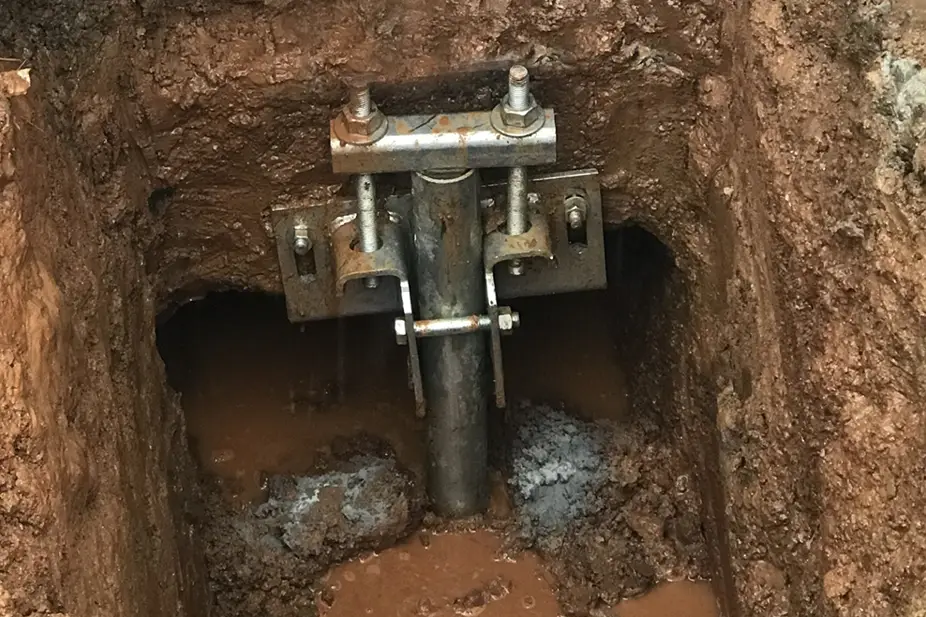
They can be fixed. The repair depends on how far the sag has gone. It may entail adding support under the span or replacing rotted wood. Any lasting repair must also address the moisture causing the uneven floors.
Why do my floors feel bouncy instead of sloped?
Bounce means the floor structure has lost stiffness rather than height. It often shows up before a visible slope, which makes it an early warning sign.