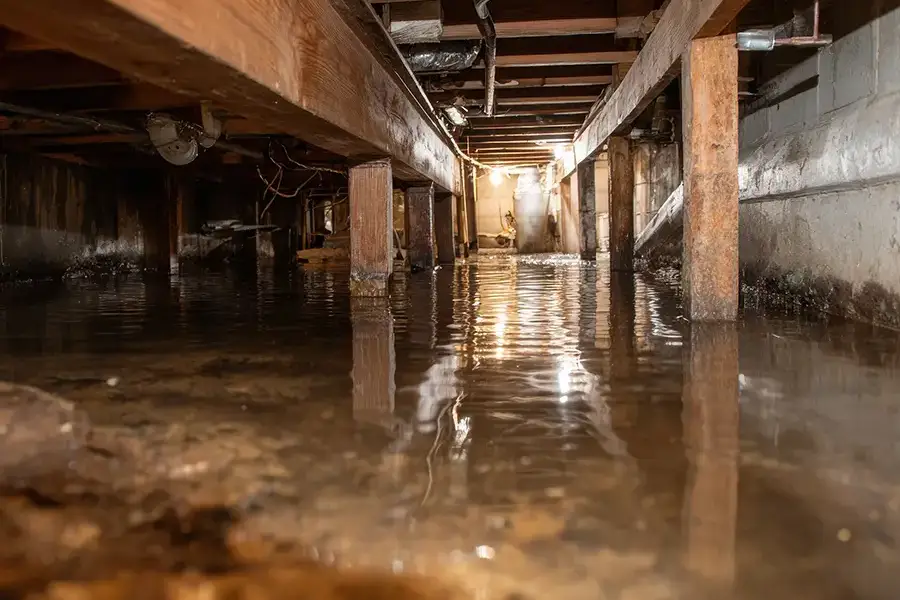
A lot of homeowners say the same thing when they see something weird or wet underneath the house: “Let’s see what happens.”
It’s not laziness. It’s human instinct. We know something’s wrong, but investigating means learning what it takes to fix it, and what it costs. Hoping it goes away on its own is a far more appealing option.
But, whether you’re a homeowner with a heavy-duty shop vac in the work shed (next to the wall of screwdrivers) or the homeowner who counts taking out the garbage as DIY home care, everyone knows seeing standing water under house is not a good thing.
Water or any kind of moisture under your home can lead to musty crawl space smells, mold growth, and pest infestation. These are the kinds of issues that can impact your home’s structure, and, in the case of mold, the health of your family.
After a heavy Charlotte rain, if you see standing water in crawl space, or any water in crawl space under house, alarm bells should go off.
However, standing water under house can be a one-time event. Charlotte got nearly seven inches of rain in 1997 after Tropical Storm Danny. Tropical Storm Debby dumped four inches in 2024. In those instances, a “Let’s See What Happens” mantra is warranted. But those are the extremes.
Most of the time, standing water indicates recurring emergency crawl space flooding, especially during Charlotte’s stormy summers, when your clay soil and sloped yard gang up to direct water into your crawl space.
This guide is built for when you find that “mini pool” and your brain and dollar signs start spinning. We hope we can spare you the search for “how to get water out from under house,” with some quick tips and insight.
When it comes to owning a home in Charlotte, ignorance can be bliss. But when there’s water under your house, you usually don’t get off that easy.
Why Standing Water Under Your House Is a Serious Problem
Charlotte’s weather and soil make moisture issues under your home more likely. Hot, humid air, frequent storms, and clay soil create a moisture-friendly environment in your crawl space and the potential for standing water under house. Once water enters, it’s likely to keep coming back until you stop it.
How Water Gets Under Your Home
Most water-in-crawl-space-under-house situations come from some combination of:
- Heavy storms that dump rain faster than soil can absorb it.
- Charlotte’s clay soil holding water close to your foundation.
- Poor grading that slopes toward your home.
- Clogged gutters and short downspouts that dump water too close.
- Foundation cracks that become entry points.
- Plumbing leaks or HVAC issues that keep your crawl damp.
Unless it’s a rare weather event that creates emergency crawl space flooding, pooling water isn’t typically a one-time thing when the same drainage and soil conditions remain in place.
The Power of Standing Water
Standing water in crawl space can lead to:
- Wood rot in joists and beams
- Foundation settling
- Corrosion of metal supports and fasteners
- Damaged insulation that stops protecting and starts holding moisture and odors
- Higher humidity that can creep into living spaces
- Long-term value issues because water and home infrastructure don’t mesh
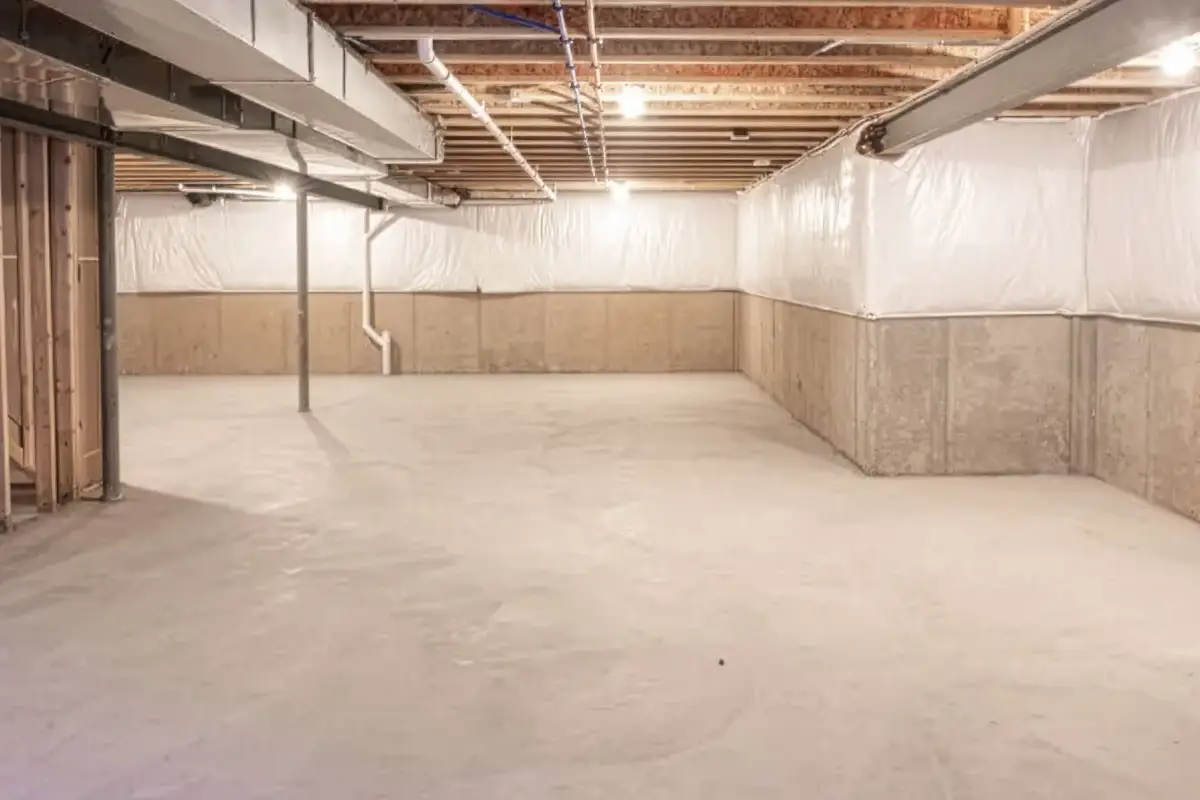
Standing water under house can also create basement moisture conditions: high humidity, persistent dampness, and recurring musty smells.
It also creates the ideal environment for mold, the one issue that most Charlotte homeowners won’t wait to address.
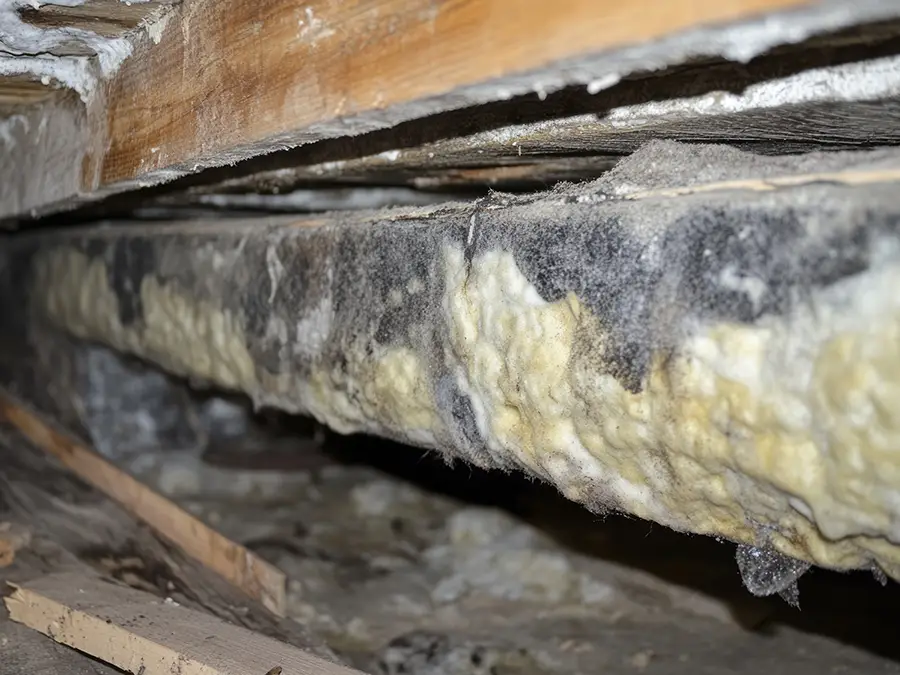
Mold Causes and the Air You Breathe
When it comes to mold causes (in crawl space/basement), standing water gives mold everything it wants: moisture, time, and organic surfaces. Once it gets established, it can spread through your ducts to your living areas, affecting the air your family breathes. A wet crawl or ongoing basement moisture creates the ideal environment for mold to grow.
Pests Love it Too
The only things that approach mold on a homeowner’s gross-meter are insects and rodents. Standing water and damp soil attract both, which add two gigantic reasons to address your crawl space issues promptly.
When You See Standing Water Under House: The First 24 Hours – Emergency Response Steps
Standing water under your home indicates a problem and also poses a potential safety risk, so it’s critical to do the right things in the right order.
-
Stay Safe and Avoid Electrical Hazards
- Do not step into standing water if there’s any chance that electrical wiring, outlets, or equipment are submerged or nearby.
- If you can safely turn off power at the breaker, do it.
- If you can’t, call a licensed electrician or professional waterproofers.
- In an emergency crawl space flooding situation, safety always comes first.
-
Document the Damage
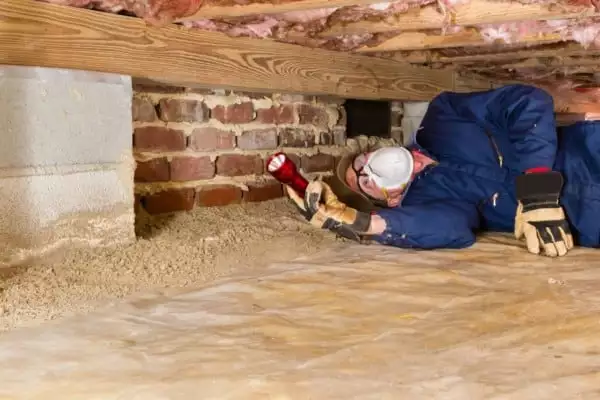
Before you move anything, take photos and video of:
- The standing water under house (from multiple angles)
- Water lines on walls
- Wet insulation, staining, and mold
- Entry points, like water flowing in near a vent
Documentation helps with insurance and helps waterproofing companies diagnose faster if you end up searching for “crawl space waterproofing near me.”
-
Identify Obvious Sources of Water
A critical question: is the source of water rain-driven, or something else?
- If water appears after a storm, check downspouts, gutters, yard grading, and foundation cracks.
- If water appears in dry weather, suspect a plumbing leak or disconnected drain line.
-
Start Removing Standing Water (If Safe)
If it’s minor pooling and conditions are safe:
- Wet/dry vac small areas
- Use a portable sump pump for deeper pooling
When it comes to how to get water out from under house, the practical answer is to safely remove what you can, then bring in professional help if there’s more significant work to be done.
Short-Term Drying vs Real Waterproofing
When it comes to water and moisture issues, “let’s see what happens” is rarely a winning strategy. If you remove standing water and consider the job done, you’re very likely just killing time before the next round.
Why Just Pumping Water Isn’t Enough
Even after visible water has gone, crawl space and basement moisture remain in wood, masonry, insulation, and the air itself.
That lingering dampness can lead to elevated humidity, musty smells, compromised insulation, and mold growth. If the entry points and drainage issues remain, water is likely to return after the next big storm.
The Role of Dehumidifiers (and Their Limits)
A basement dehumidifier can be critical for controlling humidity, but it is not a substitute for drainage.
That said, here’s a Cliffs Notes dehumidifier guide:
- A dehumidifier controls humidity levels. It does not stop water from entering.
- Big-box, single-room units are often overmatched by a wet crawl space.
- Dehumidifier systems are designed for large, damp environments and can run reliably long-term.
- If water is actively entering, a dehumidifier won’t help. It’s the wrong tool for active water entry.
- Use a dehumidifier after water is controlled, not as the primary mitigation strategy while water is still appearing.
Long-Term Solutions for Standing Water Under the House
If you want standing water under house to stop being an issue, you need solutions that control water entry and its flow.
-
Crawl Space Waterproofing Near Me
When you search for “crawl space waterproofing near me,” you’re typically looking for a long-term solution that can only be delivered by professionals.
Professional crawl space waterproofing often includes:
- Interior or perimeter drains
- Sump pump(s) to get the water out
- Sealing to prevent entry
If you’re looking for “waterproofing near me” solutions, focus on long-term fixes. In Charlotte, storms are frequent, humidity is high, and the clay soil retains moisture easily. As a homeowner, you’re up against it. A waterproofing system changes the dynamic.
-
French Drain Systems to Keep Water Out
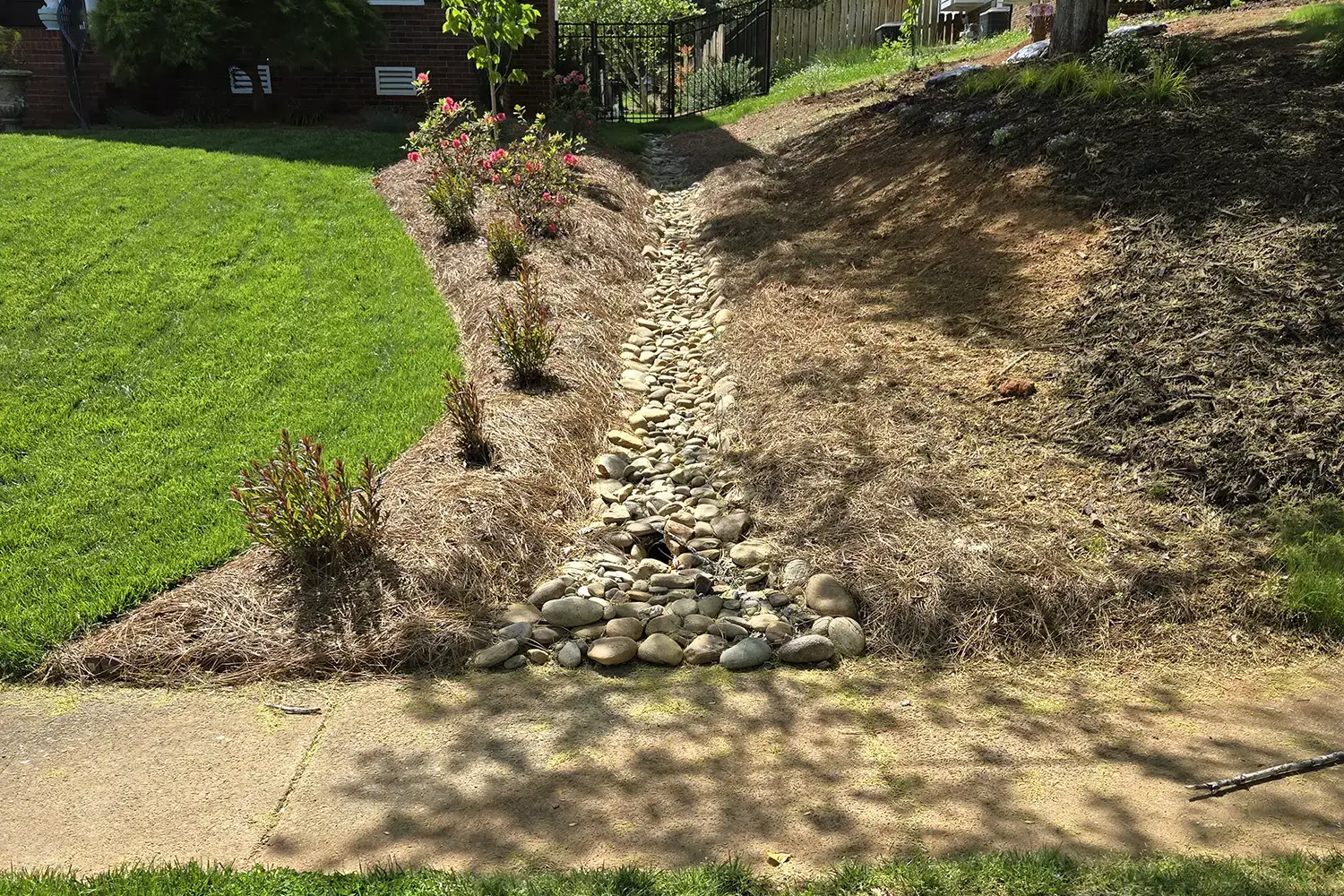
A French drain system is a workhorse solution for water issues. It’s a perforated pipe in a trench that collects water and routes it to a sump pump or away from your foundation. French drains can be installed inside or outside.
For many homes with recurring standing water in crawl space, a French drain system and a sump pump are critical crawl space drainage solutions and long-term water in crawl space solutions.
-
Crawl Space Repair Near Me (After Water Damage)
When standing water becomes a recurring problem, you need a solution before the damage becomes obvious and expensive. This is why people start searching for “crawl space repair near me.”
If you’re comparing crawl space repair options, insist on a plan that includes stopping water at its source. Otherwise, you’re just making a cosmetic change.
-
Encapsulation Charlotte: Turning a Wet Crawl Space into a Dry, Controlled Space
Once drainage and repairs are handled, crawl space encapsulation is how many homeowners create long-term stability.
Solutions for encapsulation in Charlotte typically include:
- A heavy-duty vapor barrier on the floor and walls
- Sealed vents and access points
- Integrated drainage and a dehumidifier
Crawl space encapsulation is a game-changer in Charlotte. It keeps moisture out, controls humidity, reduces mold risk, eliminates musty odors, improves energy efficiency, and turns your dingy crawl into a controlled and temperate space.
Other than that, it doesn’t do anything.
Learn more about Charlotte crawl space encapsulation services.
How to Choose the Right Solution for Your Situation
Not every standing water scenario requires a Google search for “crawl space waterproofing near me,” but many do.
When simple exterior fixes might be enough
If pooling is minor and only shows up during extreme storms:
- Clean gutters
- Extend downspouts at least 6 feet away
- Improve grading so water flows away
- Address low spots in the yard
If you still see standing water under the house after the next one or two storms, it may be time to outsource help.
When you need an interior French drain system and sump pump
- Recurring standing water under house after storms
- Water entering through seams or cracks
- Mold, damp walls, or other high water table signs
When to consider waterproofing and crawl space encapsulation
If you have ongoing humidity, musty odors, or signs of mold:
- Remove standing water, compromised insulation, and debris
- Waterproof to control water entry
- Get a crawl space or basement dehumidifier to stabilize humidity
- Get crawl space encapsulation to maintain long-term control
When crawl space repair is necessary
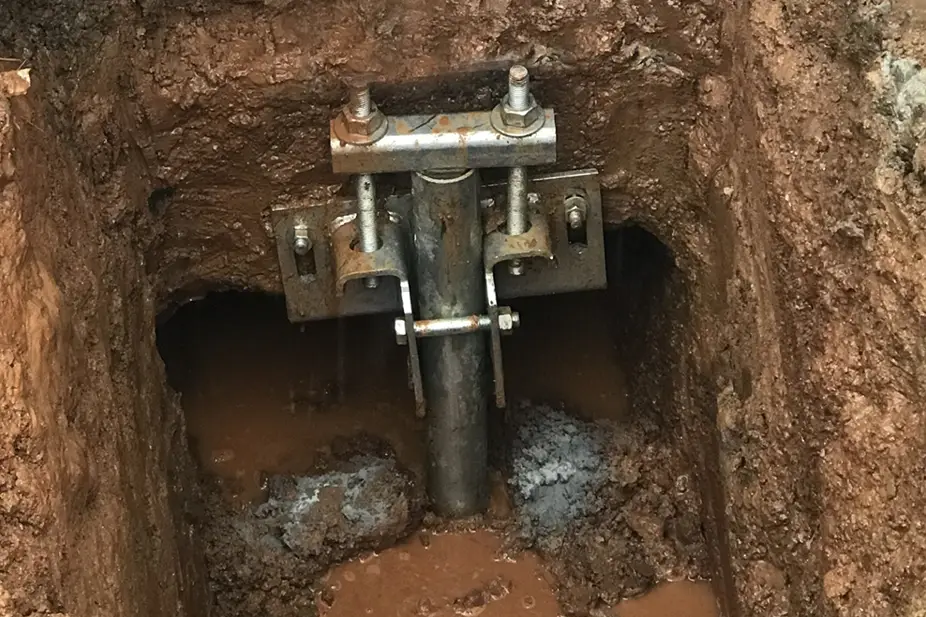
If floors start to sag, wood beams and joists look compromised, insulation is saturated, or if you see mold, professional services are required.
Moisture Loc can inspect, document, and create a tailored plan to help stop standing water and new moisture. Contact us today.
When to Call a Professional (vs DIY)
DIY is fine for quick checks and minor mitigation. It stops being fine when:
- Standing water keeps returning
- You see mold, heavy staining, or experience recurring musty odors
- Floors feel soft or saggy
- You can’t find the water source
If you’re in that unenviable homeowner position, Moisture Loc offers a free crawl space inspection for residents in Charlotte and the surrounding area.
Unless your home is identical to your neighbors’, we’ll create a plan that fits your house, not a template.
Or you can wait and see what happens, which, as we’ve just covered, isn’t always the greatest strategy.
Remember, Moisture Loc is here when you need us. Like we have been since 1988.
FAQ – Standing Water Under the House
- What causes standing water under my house?
-
Most often, it’s heavy rain plus drainage issues, like clogged gutters, short downspouts, and poor grading. The timing, after storms vs not, usually points to the source of the pooling.
- Is standing water under the house bad for the foundation?
-
It can be, especially if it repeats. Persistent wet soil and humidity can contribute to foundation shifting and structural issues. One event is not usually catastrophic, but recurring water creates damage over time.
- How do I get rid of water under my house?
-
Document it first, then remove water if conditions are safe using a wet/dry vac or pump. For larger volumes, call a professional. The key is that standing water under house needs drainage and a long-term plan, not just a one-time pump-out.
- Will a dehumidifier fix water in my crawl space?
-
No. If there’s standing water, address drainage first. Then use a basement dehumidifier or dehumidifier systems to stabilize, and prevent a mold-friendly environment, especially if you’re also dealing with water in crawl space under house after storms.
- Do I need a French drain system or just better grading?
-
If water only shows up during heavy storms and is minor, grading and downspout extensions may help. If water returns after normal storms, a French drain system and sump pump are more reliable long-term fixes.
- How much does crawl space waterproofing near me typically cost?
-
It depends on crawl size, how often water enters, whether a sump pump or French drain is needed, and whether repairs or encapsulation are recommended. A good contractor will inspect and design a system around your home’s conditions. If you’re searching “crawl space waterproofing near me,” you’re usually looking for that full plan, not a quick fix.